
For a long time in the meat trade, dealing with animal fat was something of an afterthought. A Nuisance.
The meat was what mattered; the fat was just there to be endured. That is an old way of thinking, and one that is proving expensive for operators.
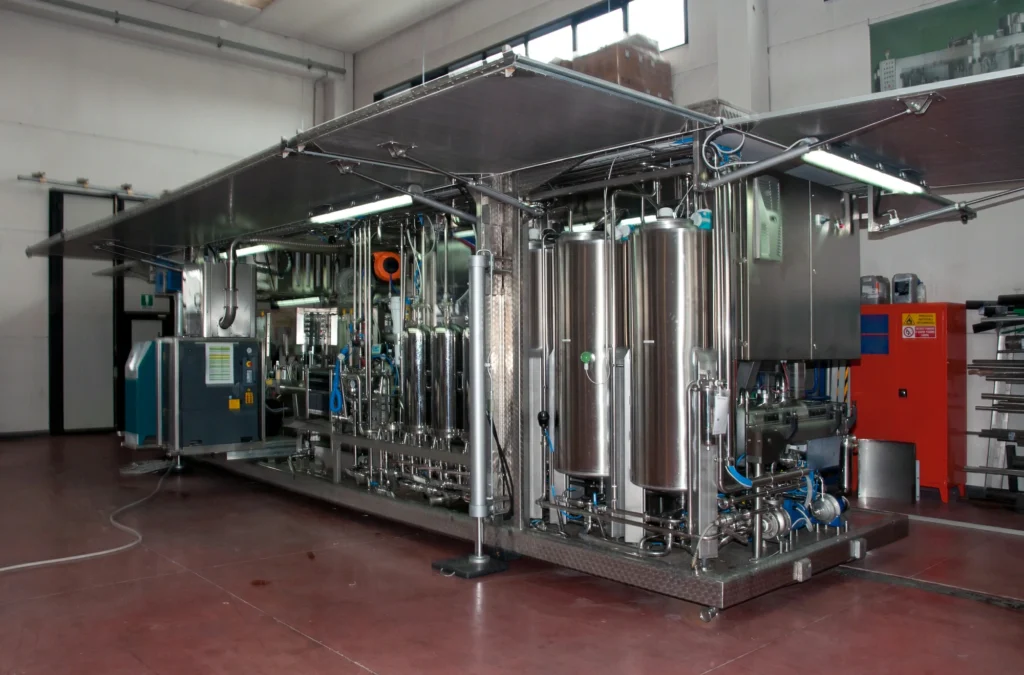
There is real value to be had in raw animal fats now, not only for food but also for soap making, cosmetics, biodiesel, animal feed, and a host of industrial uses. What was once dismissed as a by-product – beef tallow, pork lard, poultry fat, fish oil – is now a product stream in its own right.
If your plant is not equipped to draw out that worth from its byproducts, you’re simply leaving money on the table. You’re seeing animal fat produced; you might as well do something profitable with it.
This is where good engineering is essential, and why Hygienic Manufacturing Solutions has made a name for itself in the field of meat processing facility design and rendered fat utilization.
An effective setup for handling animal fat does not happen by accident. It has to be put in place to handle raw material correctly, separate protein from fat, maintain quality control and food safety, and manage wastewater before it becomes a problem.
Take tallow, for instance. It is all the rage again, found in everything from deep fryers and snack foods to skin care. Part of it is nostalgia, part a reaction against seed oils like soybean oil or coconut oil, and part the simple fact that it is an edible fat with a stable smoke point.
In the renewable fuel space, inedible fats and yellow grease are being converted to biodiesel feedstock instead of being thrown away. Even pet food formulators are looking at rendered protein meals and poultry fat for their energy density. The trend is obvious: companies are re-evaluating their byproducts.
To be sure, the meat still brings in the lion’s share of the revenue. A pound of rendered animal fat will not fetch the same as premium cuts. But when you measure it against disposal costs, the profit picture is quite different.
By converting raw fat into edible oils such as cooking oil, soap stock, pet food ingredients or even fat biodiesel, you add to the overall value of the carcass. Human-grade tallow or lard requires a more exacting process than slaughter by-products unfit for consumption; proper separation and temperature control are what make for a superior fat.
It all starts with the raw materials. Beef fat and pork fat, subcutaneous fat from poultry, connective tissue, fish oil streams and other animal by-products are collected and readied for rendering.
There are two principal methods for the rendering process: Wet and dry.
Wet rendering employs water or steam at 100 to 120°C to stave off oxidation and pigment problems.
Dry rendering applies heat to the adipose tissue without any added water, sometimes up to 150°C. It is an effective approach if you can tolerate the darker colour and potential for oxidation that comes with higher temperatures.
Ultimately, the aim is to separate the fat, water, and solid residue. The liquid is then filtered and polished to get rid of fine suspended solids and moisture. The remaining solids can be turned into fish meal or meat and bone meal. The fat is then available for deodorizing, bleaching, refining or whatever else is called for, be it fatty acids, glycerin or an edible product.

The type of equipment a facility calls for depends on the product. You will find grinders, presses, decanters, cookers, rendering vessels, heat exchangers, and the like in most operations. Centrifuges are used to strip melted fat of water and fine solids; filtration gives the liquid better stability and shelf life.
Storage is another matter that should not be neglected. Heat, oxygen or trace metals can cause peroxide values and free fatty acids to spike. Quality control has to be thorough in reviewing the fatty acid profile and impurities.
You cannot be casual about equipment selection either. Saturated and unsaturated fatty acid composition, linoleic and stearic acids for example, is very different in fish oil than in beef tallow.

From the outset, any plant working with animal fat must have a plan for wastewater. The stream is full of FOG (Fats, Oils and Grease) , blood, BOD, COD, odours, and cleaning agents. To treat it as an afterthought is to risk clogged pumps, DAF trouble, fines, and complaints from neighbours.
A sensible design will feature screening, equalization, pH control, and dissolved air flotation, and perhaps anaerobic treatment. It is also worth considering how much pure fat can be kept out of the drain.
What sets top-tier animal fat processing plants apart is intentional design.
At HMS, we work with meat processors to see to the layout, utilities, maintenance access, and rendering capacity, as well as the potential for new products down the road.
The facility should be built with the end use in view, whether that is technical or edible tallow, lard, leather conditioning material, clarified butter applications, or feedstock for biodiesel. There is value in animal fats across the U.S., the European Union, and developing nations alike, provided the plant is positioned to make the most of it.