
Sanitary pumps do not get excessive amounts of attention until one stops working. Unluckily for us, that’s usually when production halts, as well.
We have seen this occur time after time. Food and beverage facilities coming to a full stop because a quality pump had a minute issue: it wasn’t sized properly, it wasn’t built for the food or drink you’re transferring, or maintenance has just been getting missed.
Ideally, we work as a team to choose sanitary pumps from the get-go, so that we don’t find ourselves in the midst of a bunch of little, but very expensive, issues.
Sanitary pumps are constructed for the sake of hygienic applications. We mean that the safety of the consumer matters even more than how we get the product from one place to the other. Food and beverage facilities have a continuous flow of milk, cream, juices, sauces, syrups, beer, and so many other things. It’s so crucial to prevent the growth of bacteria as well as cross-contamination, otherwise, there could be a catastrophe.
Hygienic pumps are different because they were conceived with the idea of easy cleaning. This looks like stainless steel construction everywhere, smooth surfaces that can’t hide debris, and CIP (Clean-In-Place) systems that sterilize the equipment from the inside out.

Most products tell us which pump they need by nature of what they are. It’s very convenient. Low-viscosity fluids (water, milk, beer, cleaning solutions, etc) work expertly in centrifugal pumps. These pumps have rotating impellers, and they utilize centrifugal force to transfer fluids through the pump inlet, across the pump impeller, through the pump casing, and out the pump outlet. Most operate perfectly well between about 32°F and 212°F and are frequently used for liquids under roughly 500 cP.
Inversely, positive displacement pumps (including rotary lobe pumps) move predetermined measurements of product with each rotation. These are most often chosen for high-viscosity liquids like fillings, creams, and yogurts.
Showcasing the differences between these extraordinary pumps isn’t about finding out which one is better. It’s only about determining which one is going to better complement your setup. At a later date, we can always discuss specifics such as magnetic drive pumps, multi-stage pumps, pressure ratings, metering, and so on, and so forth. It’s all part of selecting the right sanitary pump, but we’ll start broad and work our way down to the minuscule details.
Those rotary lobe pumps we mentioned earlier become useful when the topic surrounds milk and cream. Juices and water do exceedingly well in centrifugal pumps. Sauces, fruit fillings, and other high-viscosity fluids have their needs met by positive displacement pumps with continuous flow.
The world of beverage and food processing is wide, and so must be the types of sanitary pumps. From low-viscosity liquids to viscous fluids, solutions are imminent when you work with people who know their way around the subject. Some pump types (not excluding peristaltic pumps and metering pump systems) are better suited to particular sanitary applications than others.

There are seals that wear and bearings that loosen. Even the pump speed changes if you don’t have eyes on the workings. Energy efficiency isn’t the only consideration when you create a maintenance team that you can trust.
Doing preventive maintenance can save you money (which is time) and effort. Inspections should be done regularly, as well as lubrication, replacing any worn pump components, and documenting all services rendered. Minimal maintenance will take you far when it comes to keeping your industrial pumps running like clockwork.
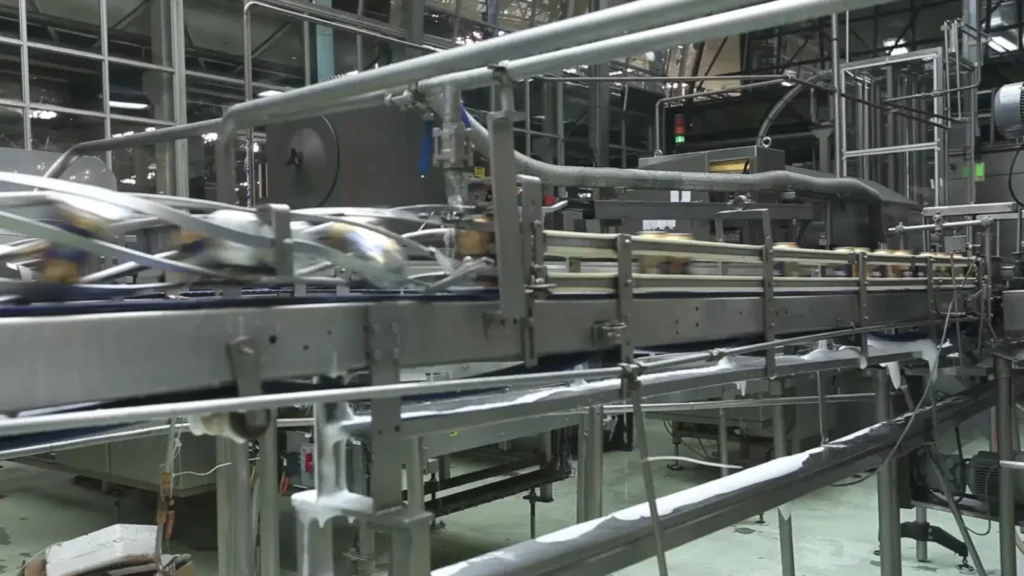
Cleaning pumps is inconvenient, to say the least. Anyone on the cleaning team can tell you that. They would also tell you that, at some point, it becomes problematic for everyone. When the product is getting contaminated or the cleaning is taking up production time, you’re watching dollars wash away in the proverbial drain. Clean in Place is the workaround that doesn’t ruin your energy consumption rates. Without having to take the entire pump chamber apart, you can end up with a sterilized piece of equipment.
CIP cycles had better document detergent concentration, flow rates, temperature, and cleaning time. If installed properly, they will also confirm cleaning effectiveness with ATP or microbial testing before allowing the equipment to return to service.

HMS is the next step. We are able to look at all the details you’ve been missing, not because you don’t care, but because you don’t know what to look for. We will review the pumps you currently have operating, the conditions under which they’re working, the viscosity of the fluids you’re working with, maintenance documentation, and every other little thing that impacts the working of your plant. A pump solution might be closer than you think.