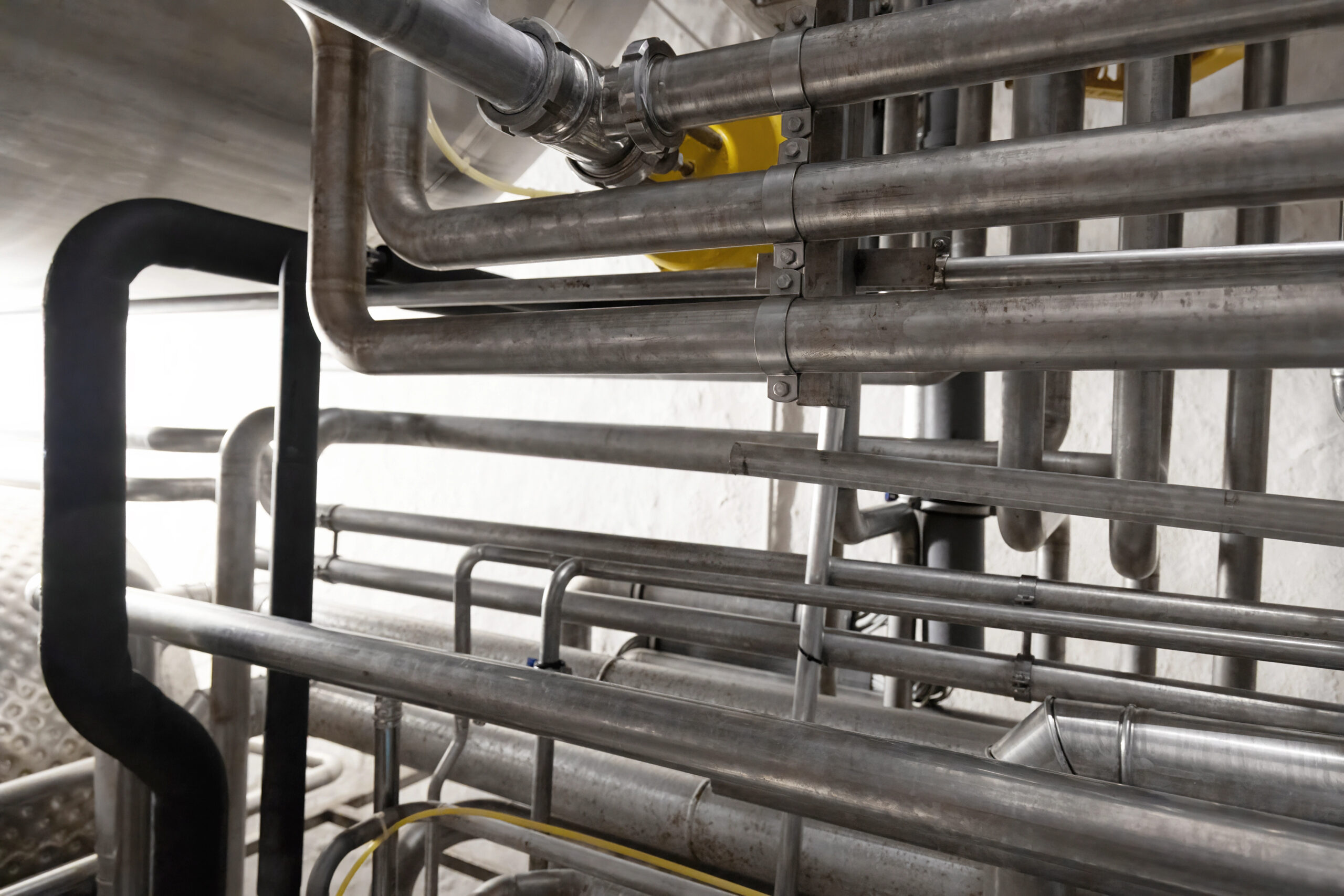
Clean-in-place (CIP) is an automated method for cleaning the internal surfaces of tanks, pipes, valves, fillers, heat exchangers, and other process equipment without disassembling the line.
The benefits of CIP are increased uptime and repeatable cleaning outcomes.
Instead of disassembling production lines for scrubbing, a typical CIP system circulates water and a cleaning solution to clean the line.
The goal is straightforward: create a process that can be repeated time and again. You want to get the product residue off, keep microorganisms in check, and safeguard any food-contact surfaces, then have the line ready for production once more.
That is why CIP is so important. The modern food processor relies on closed, hygienic systems and sound CIP technology. Under the FDA’s Food Safety Modernization Act, facilities are expected to put preventive controls in place and identify hazards. CIP is one of the core ways that food and beverage process facilities enable consistent compliance with FDA standards.
These preventative measures include sanitation controls and then monitoring, verification, and recording the process.
In drug manufacturing, FDA guidance is stricter, with rules on written cleaning procedures, scientifically justified limits, and documented validation for cleaning processes.
Meeting FDA guidelines requires a disciplined, trackable cleaning process that protects quality while reducing downtime. CIP, when correctly designed, helps to reduce human error in favor of a repeatable, consistent process.
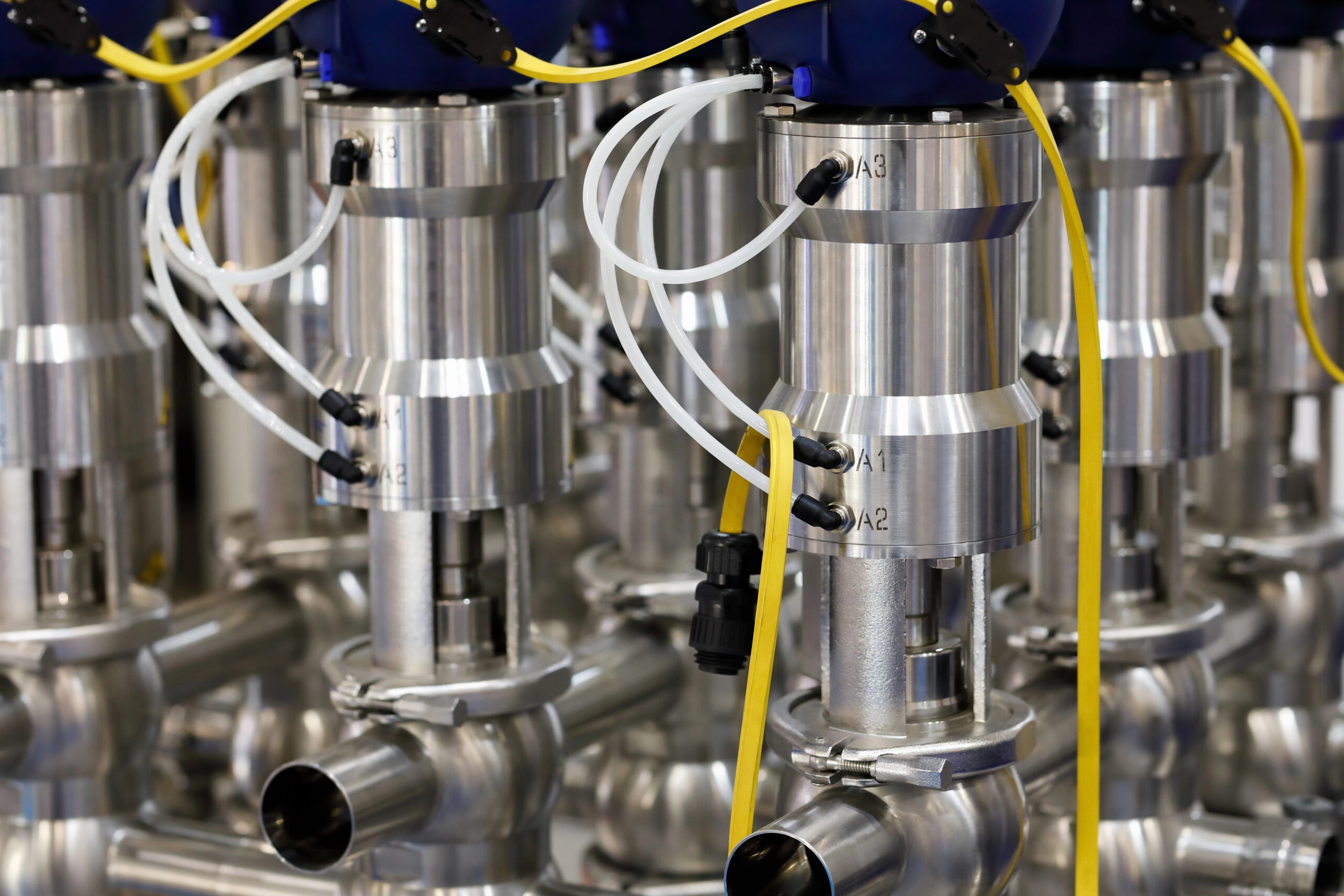
COP means dissasembling the system, and then placing parts in a wash tank, cabinet washer, or sink.
There is no denying that COP can be an effective method, yet you have to put in the elbow grease when it comes to inspecting gaskets, spray devices, small fittings and hoses or any removable valves.
The rub with COP is that it is hard to be consistent. You might hand-clean a part and it appears spotless, but some soil could be left behind in the system. That unseen residue can lead to bacterial loads you cannot account for and end up spoiling your batch. Even less predictable is variation in effort, staffing, or even just attention span. Humans aren’t perfect, after all, and anyone can have a bad day.
CIP takes the variability out of the equation. With a properly set up CIP system, cleaning is automated via programmed recipes; the equipment will measure and control the sequence, flow, temperature, time and chemical levels. While you may still have to resort to COP on the odd component that is difficult to get at, CIP as a rule offers a steadier standard since the cycle does not depend on every operator making the same call from one shift to the next.
Most processing plants often use CIP and COP together: COP for parts that must be removed, and CIP for pipes and vessels.
Closed piping, tanks, fillers, heat exchangers, pharmaceutical systems
Repeatable, automated, documented
Poor design or weak parameters can leave shadow areas
Small parts, removable fittings, clogged spray balls
Direct access and inspection
Operator variability and higher labor exposure
The sneaky part about CIP vs COP is that each individual piece of equipment needs to meet CIP design standards to be ‘CIPable’. Many pieces of equipment with full FDA approval for food, beverage, dairy, or even pharmaceutical applications may not be designed for CIP. In the event that a piece of equipment is designed to COP, no amount of CIP fluid or chemical will do the trick. It’s important to ensure that all equipment contained on a CIP circuit is actually CIPable so that you can get a good, reliable, repeatable clean.
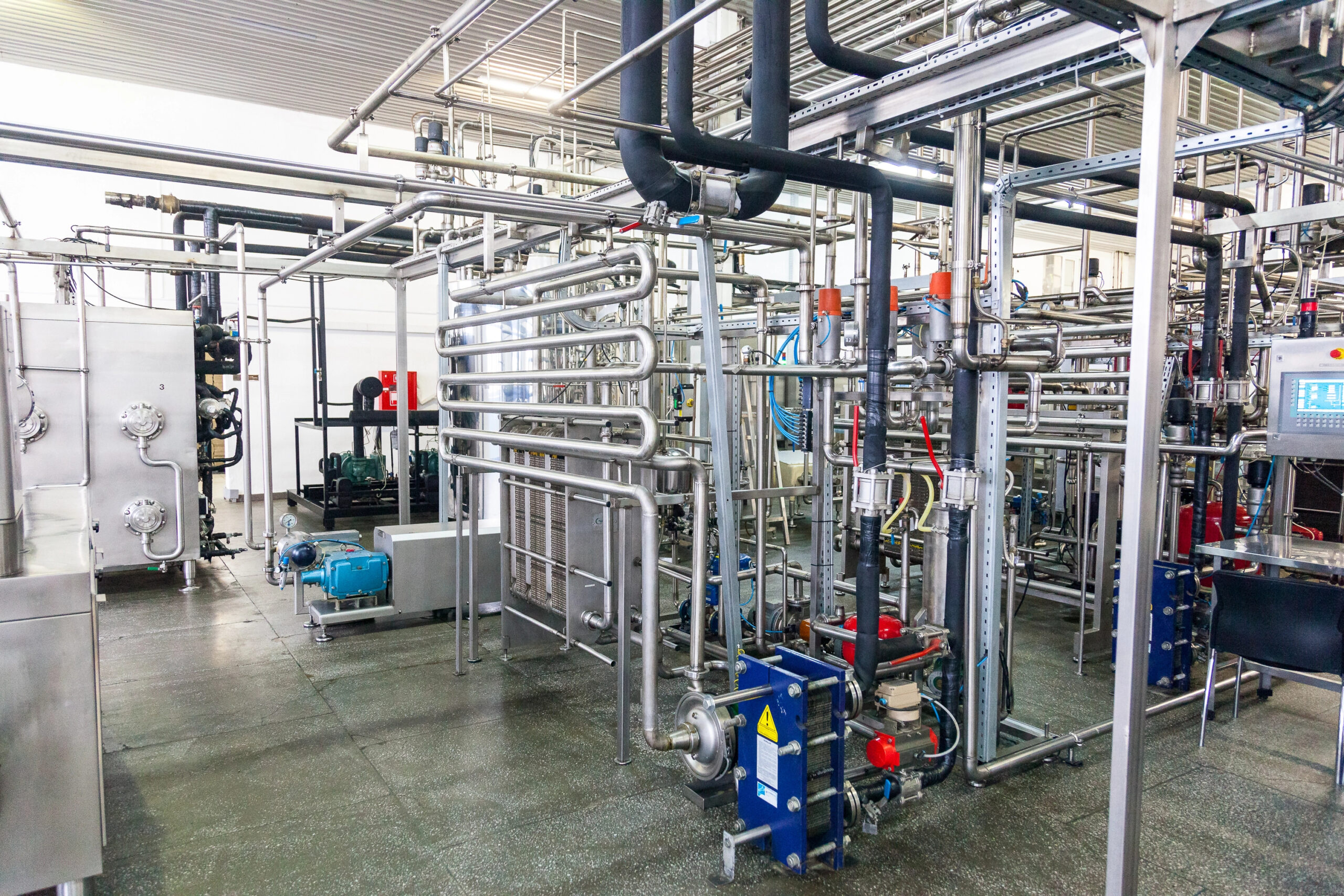
You will find some variation in CIP systems from one plant to the next, but for the most part, they are built on the same fundamental equipment. At its heart is a central or skid-mounted unit to store, heat, and pump the cleaning fluids and see to their recovery. That skid has to put out a solution at the right flow, pressure, temperature, and concentration for every circuit.
Good design work means you have first mapped out what needs to be done: the tank geometry, how long the pipes are, any dead legs or valve clusters, drainability, the type of soil and product viscosity, not to mention the documentation that is called for.
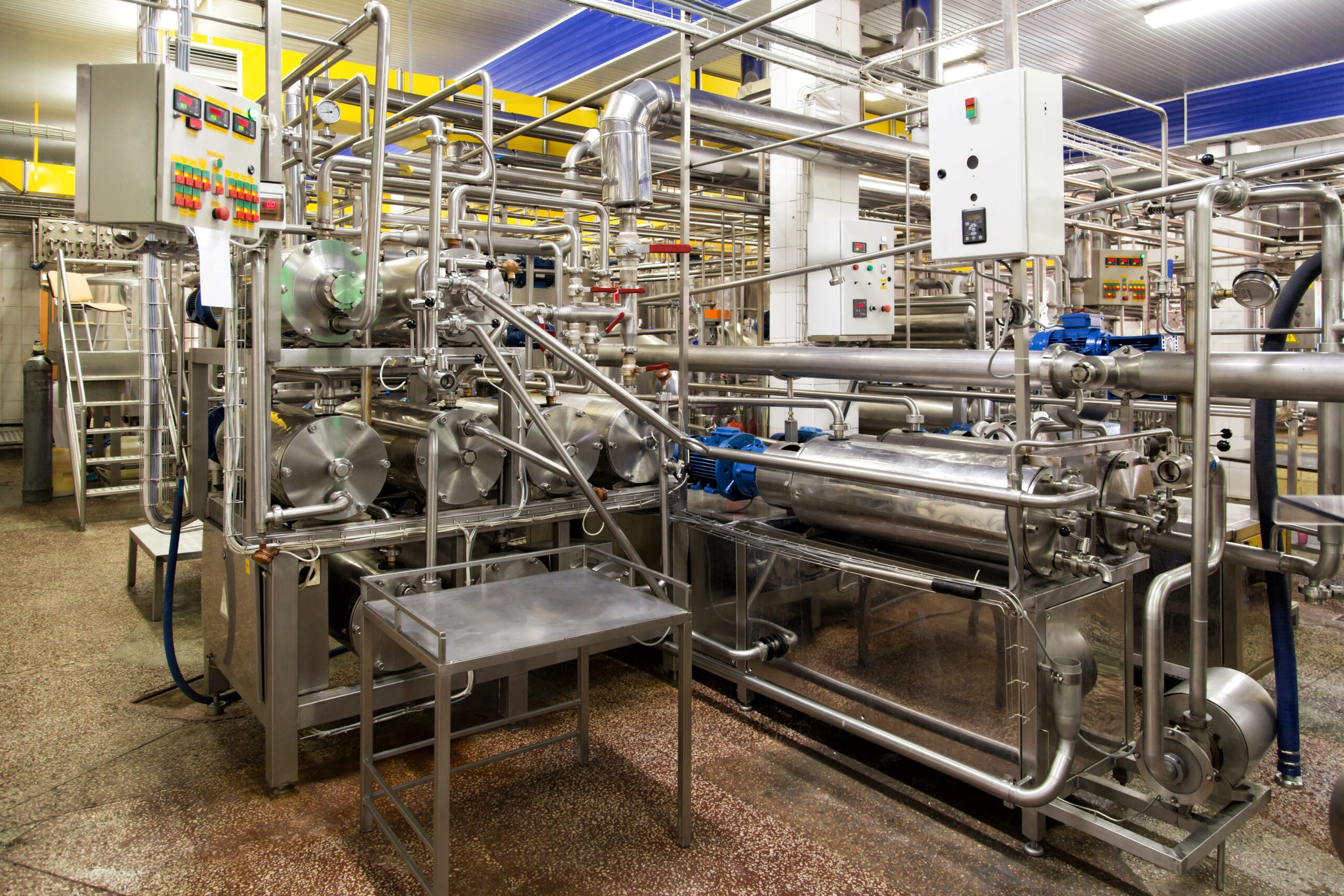
Then there are the control systems, which act as the brain of the whole thing. A programmable controller with an HMI will execute the recipe, open the valves, get the pumps going, and keep tabs on conductivity and temperature while logging any alarms. If it’s programmed properly, it will also keep the records of the cleaning that you need for internal quality control and external regulatory compliance.
It is this level of automation that turns CIP into a process instead of just another item on a checklist. On top of that, it makes for a safer environment for your people by minimizing the need to handle chemicals or open up equipment that is full of caustic or hot water.
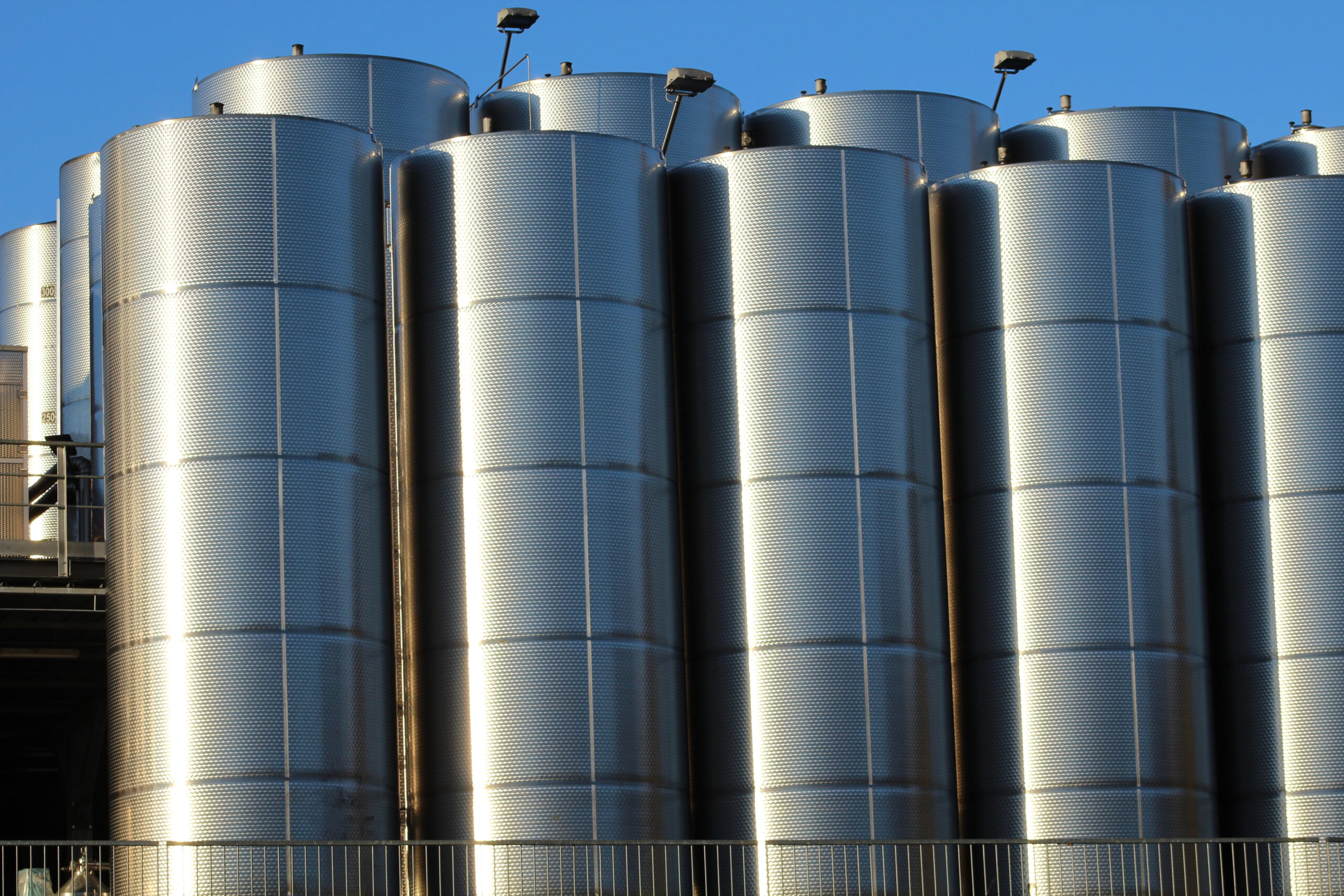
It is the CIP tanks that will determine how much flexibility you have. A single-tank unit is all you need for a smaller line or if you have to run every solution to drain on account of allergen issues. Then there are two-tank setups where you can keep your caustic and water in their own vessels, or three if you want to accommodate acid or recapture your final rinse as a pre-rinse for the next wash as well.
In some cases, we’ve built more than three tanks for various applications. Generally, though, the amount and sizing of tanks will be driven by your process requirements. With a four-tank or reuse system, you open up more possibilities: you can put caustic and acid back into service so long as the concentration and soil load are in spec, or even recover a final rinse to serve as a pre-rinse. They cost more to put in place, but you will often see more than enough savings in water and chemical use to justify it – not to mention the water savings on the environment.
Pumps are how you create velocity and pressure within the cleaning system. When it comes to pipes, you don’t want anything gentle; the CIP process is better served by a turbulent flow that will scour the walls of the pipe and take the residue with it. Turbulent flow resides between 5–7 fps, meaning that there’s a different required velocity for each size of pipe. Fast flow at one pumping rate in 2″ pipe will be dramatically insufficient for 4″ at the same pumping rate.
Tanks are a different matter. There, you need spray balls, rotating spray devices like spate cleaners, or other high-impingement devices such as rotary jets to get the solution where it needs to go in the vessel. A static device will do its job through wetting and volume of flow, but a dynamic one will rotate or index for more impact and coverage. The tank-cleaning device that you use should be dictated by the tank’s dimensions, what kind of residues you are dealing with, and if the spray can cover every inch of the interior with appropriate impact to clear the soil.
Then there is the question of heating. You might opt for a heat exchanger to bump up the wash temperature in an efficient manner. Plate-and-frame units are small and do the job well, shell-and-tube are more rugged and easy to drain, while direct steam injection is fast. If you can’t run steam, electric heat is an option, though it tends to be quite high in long-term utility cost compared to the other options.
A typical CIP cycle is built around the soil, the equipment, and the risk level. The sequence below is common in the food and beverage, dairy, and pharmaceutical worlds, though exact parameters must be validated for each plant.
First, the pre rinse removes loose product, sugars, proteins, starches, and gross soils. Good plants do not treat this as an afterthought. A strong pre-rinse lowers the soil load.
Second, the caustic wash uses cleaning agents such as sodium hydroxide to break down fats, oils, proteins, and other organic soils. This is the workhorse step in the food industry, especially in the dairy industry, where milk proteins and fats can bake onto stainless steel. The wash must contact all stainless steel surfaces at the right velocity and temperature long enough to remove residue.
Next, in some cases, is considerations for acid washes – whether they’re part of the standard cleaning routine or a more situational pickling/passivation wash. In these cases, you also have a third step in which an intermediate rinse is done to get rid of the caustic prior to putting in the acid. That way you don’t end up neutralizing it and can be sure the acid wash will do its job. Then comes the fourth stage where the acid solution is applied to strip away any mineral scale, beerstone or milkstone, as well as other deposits left behind by hard water, alkaline washing or heat treatment.Acid washes also often serve to reset and replenish the natural ‘passive’ layer that makes stainless steel rust and corrosion resistant. A second rinse might follow to take care of any leftover acid.
To wrap things up, the final step of any CIP process (with or without acid) is that the line will be given a sanitizing rinse or a no-rinse type of sanitizer; what you use is a matter of plant policy, regulation and the product at hand. The idea is to cut down on microbial risk and kill off bacteria ahead of startup. If there are detergent or sanitizer residues that need to go, you would do a final rinse for that. And in the case of pharmaceutical or aseptic systems, you may find that sterilization or some extra rinse controls are called for.
Removes loose product and lowers soil load
Water temperature, volume, recovery quality
Removes organic residue
Sodium hydroxide strength, flow, time, temperature
Separates incompatible chemistries
Conductivity return to baseline
Removes organic residue
Acid concentration, contact time, material compatibility
Reduces microbes and/or clears residues, or (if just a rinse) removes residual cleaners in prep for production
Sodium hydroxide strength, flow, time, temperature
Modern food and beverage processors tend to rely on CIP for sanitation.
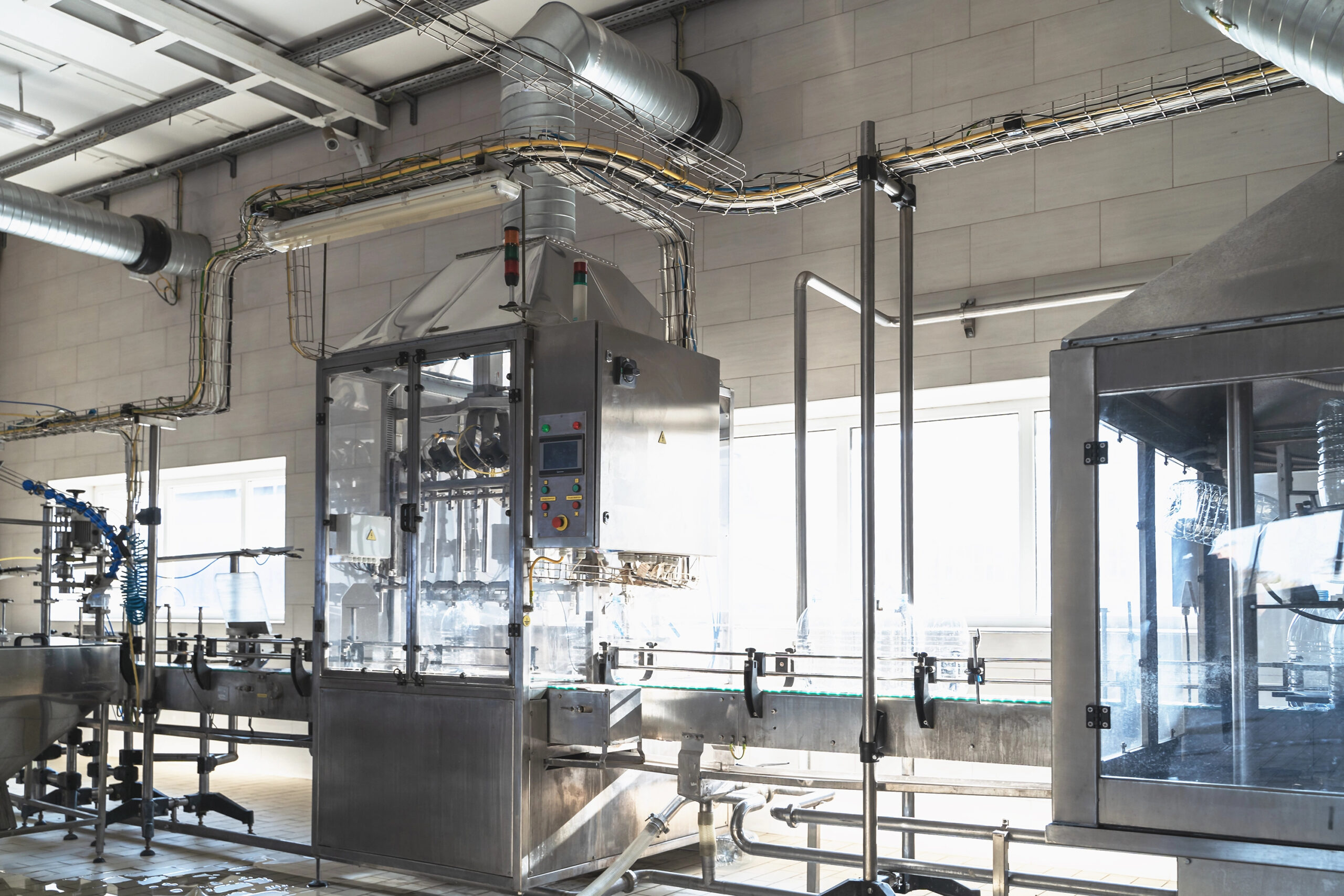
You will find that with ready-to-eat items, soups, sauces and desserts, you are dealing with heavy soils that call for a more thorough rinse and extended caustic contact. And if the plant is making a switch from one product with an allergen to another, the cleaning has to be far more rigorous than for a simple batch change of the same item.
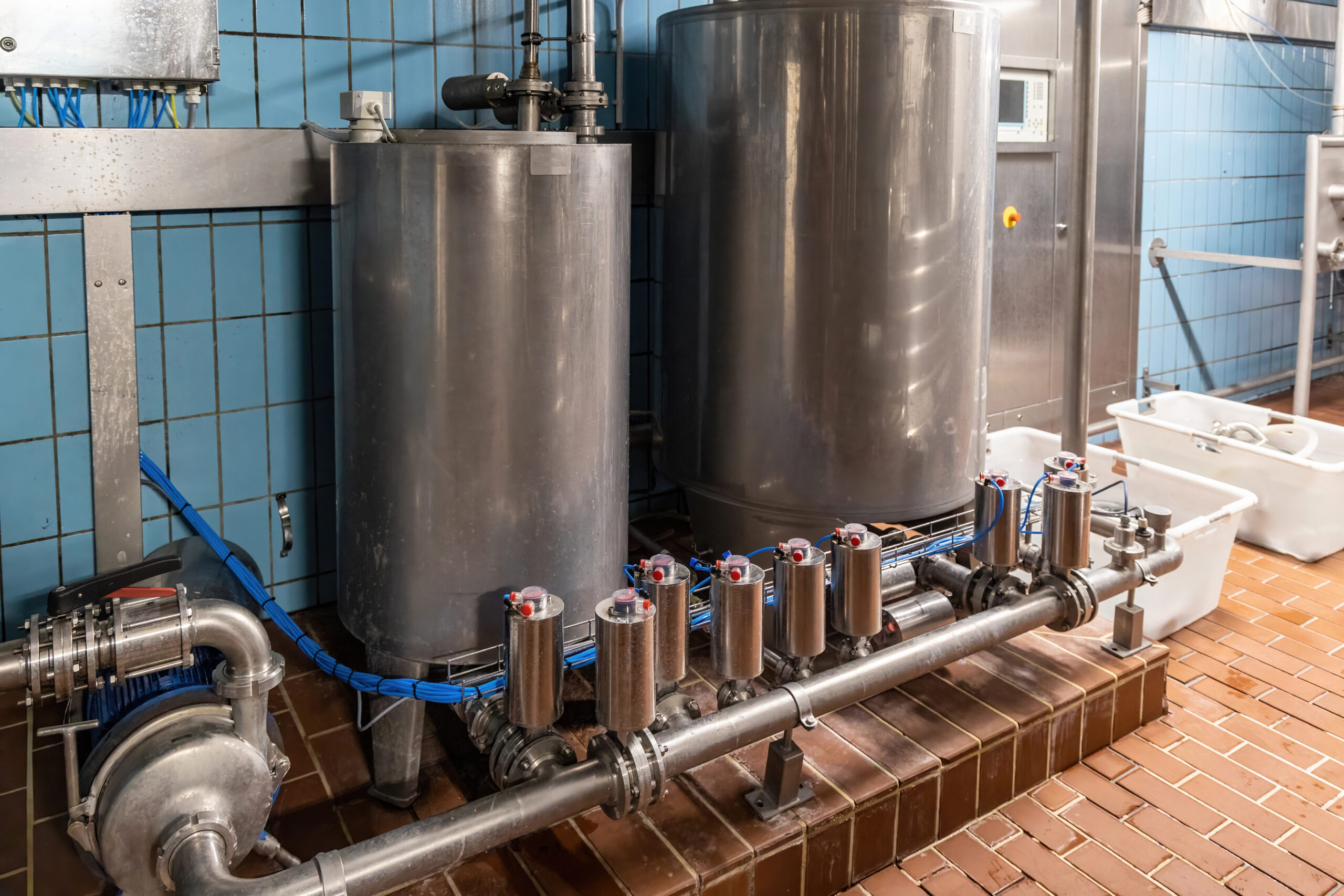
For dairy, CIP is mission critical. The soils in milk are a mix of sugars, proteins, fats and minerals. Heat exchangers and pasteurizers present a particular problem since the heated product leaves behind tenacious films. A typical cycle at a dairy will see caustic, acid, and sanitizer runs with plenty of rinsing in between, all while temperature and conductivity are closely logged.
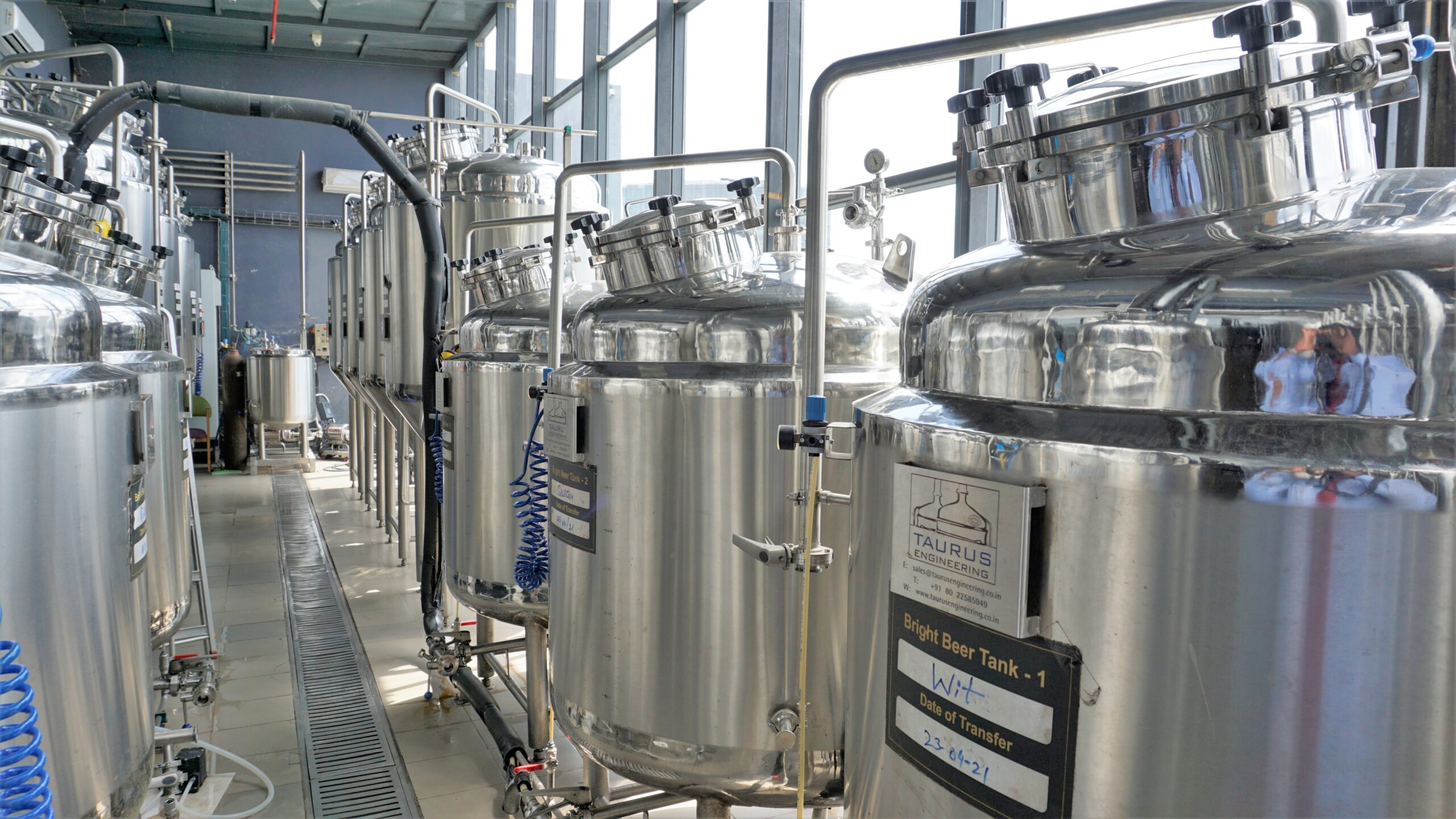
You will find beverage operations relying on CIP to put the brakes on microbial spoilage and to eliminate any trace of yeast, sugar or flavor carryover. In a brewery setting, CIP is in use on everything from the fillers and brite tanks to the fermenters and transfer lines. Beerstone and leftover yeast are not something you want to mess with; they generally call for an alkaline clean and some acid work at intervals. And if you are on the juice or soda side with all the changeovers in your flavored lines, a CIP system that saves time is as good as gold.
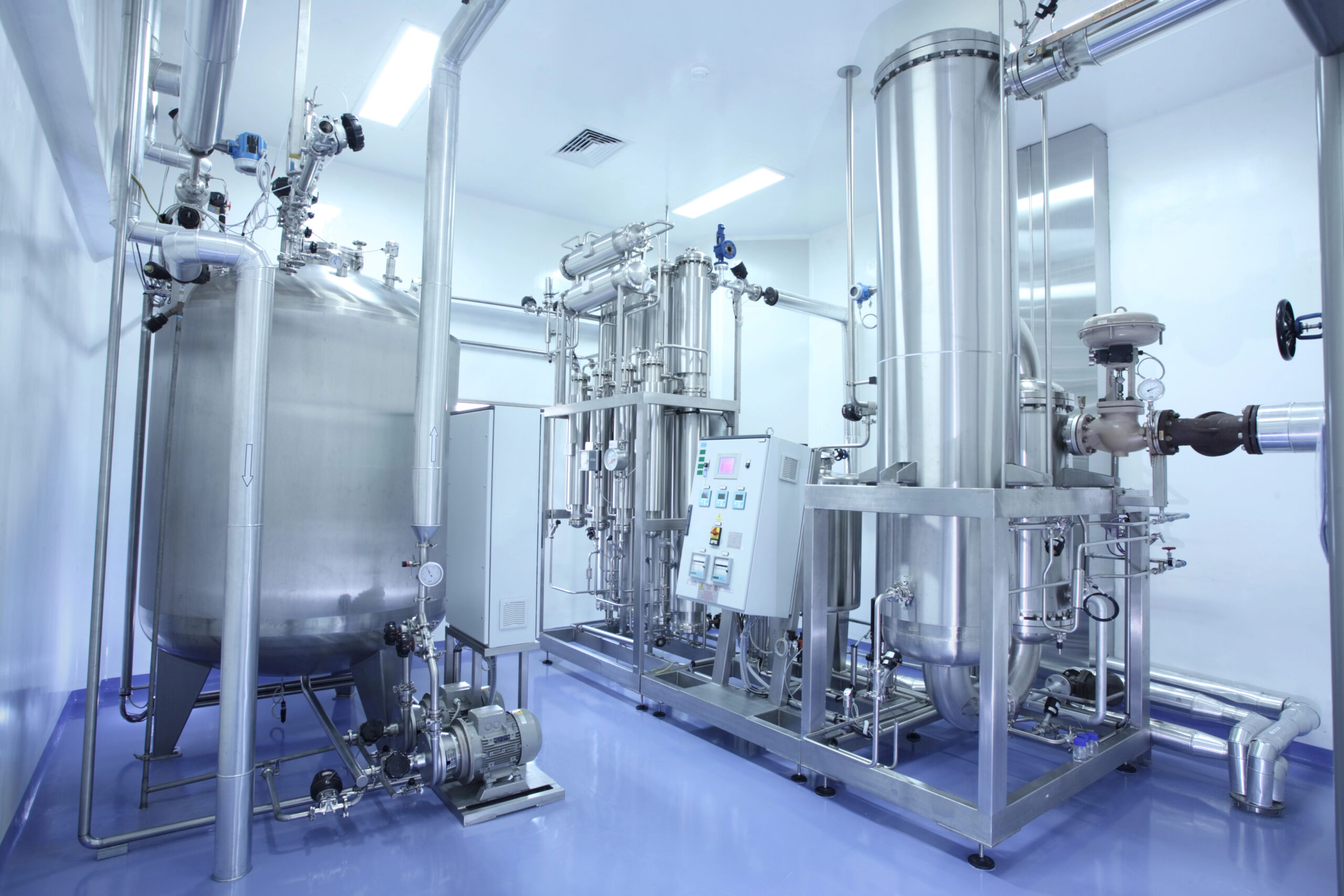
Pharmaceuticals are another matter entirely. There, the documentation is every bit as important as the wash itself. The FDA is plain about it: validation means you have the scientific data to show your system is performing to spec. That calls for records you can trace, instruments that are calibrated, and clear acceptance criteria. You don’t have much choice in the matter when it comes to cleaning validation.
You should let the product and the associated risk dictate your CIP equipment choice. No two situations are identical. Take a small processor with a low-risk liquid for instance; a compact single-use skid will do the job. But put you in a large plant with an array of pasteurizers, balance tanks and fillers and you are looking at a central system with multiple circuits and tanks.
What is right for your plant comes down to a host of factors: your peak cleaning demand, the number of circuits, space and drainage constraints, available utilities, and if you have ambitions for automation or prefer a single-use rinse over a recovery setup.
The real question isn’t whether one CIP system is more compliant than another. It’s what your plant actually needs the system to do. Do you need it highly automated, or is some manual setup acceptable? Does speed matter because production has a tight turnaround? Do you need one circuit, or should the skid be capable of running multiple cleaning circuits at the same time? Should it be fully tied into the rest of the process system, or does a more flexible setup make sense? Then come the side-quest details, like whether it needs a platform, a special footprint, certain power requirements, or enough mobility to move where the work is. Those are the things that usually decide the right CIP setup.
Then there is the matter of future products. Today you might be running thin beverages, but tomorrow it could be protein drinks, sauces or viscous syrups. A sound design allows for that kind of flexibility in capacity, instrumentation and recipes so you don’t have to do expensive rework later. The aim is to have a cleaning platform that does what it is supposed to without any superfluous downtime or waste of water and chemicals.
You will find that the most effective clean-in-place procedures are founded on four things: time, action, chemical and temperature. They are interdependent; if you have a shortfall in one area, you have to make up for it with another. Take a wash at low temperatures for instance, you may need to run a longer cycle or put in some stronger chemistry. Or consider a pump that is not up to the task – it simply won’t generate the wall shear necessary to clear residue from the pipes, which may be somewhat mitigated by hotter, longer, stronger chemical washes.
Then there is action, which is not always well understood. With piping, you need a turbulent flow. Laminar flow has a way of letting the liquid glide right through the middle, while the boundary layer by the wall is left uncleaned. In the case of tanks, action is a matter of good coverage, impact, and drainage. Put your spray devices in the wrong spot, and they will overlook the manways, the agitator blades, the baffles, or the upper domes. A static spray ball that is clogged will cast a dry shadow. Some plants will even do a riboflavin test under a UV lamp to be sure of their coverage; since the solution fluoresces, it is an easy way to see if the surfaces were properly wetted.
Chemistry must match the soil. Alkaline cleaning chemicals remove organics. Acids remove minerals. Sanitizers reduce microorganisms. The wrong cleaning agents waste money and may leave the system not properly cleaned. Operators should also monitor concentration drift, conductivity probe calibration, product contamination in reuse tanks, and whether sanitizing solutions are compatible with elastomers, seals, and metals.
You can’t consider water to be a neutral factor when it comes to CIP performance. The detergent and rinsing are subject to things like temperature, the microbial quality of the water, as well as its hardness and chloride content. If the water is of poor quality, you will see more scale, residues may be left behind, and sanitizers won’t do their job. Then there is the matter of air. Compressed air is fine for clearing lines or driving solution through during a drain, but only if it is up to the hygiene standards required by the process.
You will seldom find a single, major breakdown when a plant tells you its CIP system is not up to the job. It is usually an accumulation of smaller issues: pumps that are too small, impellers in need of trim adjustment, spray balls that have clogged, or perhaps an operator has put aside an alarm just to get production going again. Add in some poor drainage, dead legs, weak chemical strength, insufficient heat, variable sizing of pipes within a circuit, blocked returns, and wrong valve sequencing and you have your problem.
So you go about it in a practical way and let the evidence guide you. Have a look at the CIP trend data for flow, pressure, temperature, conductivity, and how long each step took, then measure that against the recipe. Don’t be content with checking the most convenient sample port; make sure you inspect the place that is most difficult to clean. Check the P&ID to see if all the valves are where they should be. See if the return flow has any heat, velocity, and chemical percentage to it and that the tanks aren’t running dry or spilling over. Where there are reuse systems, you want to know if the recovered solution is putting too much soil into the next cycle.
As for proving the cleaning was done, some plants will do a visual check, others will run ATP or allergen swabs, pH, TOC, or microbial tests. There are methods for specific residues as well; what you use is dictated by the industry and the hazard at hand. But in the pharmaceutical world, where regulation is tight, your validation has to be preplanned and on paper, with acceptance criteria to back it up. In food plants, sanitation controls and verification activities support preventive control programs where applicable.
Take the case of a beverage line that can no longer pass its flavor tests once you have moved on from a potent citrus to a more subtle water. You might be tempted to think the caustic wash is underpowered, but in truth it could be a dead leg in the valve manifold or a sprayer that does not get to the top of the flavor tank.
Cranking up the chemical strength will only add to your costs and do nothing for the carryover problem. It is wiser to put the recipe data up against the flow paths, look at the spray pattern and valve sequencing, and see what is happening in the most difficult spot to clean.
Or look at a dairy pasteurizer that has residue showing up time and again after CIP. That could be down to heat-set protein on the plates (“burn-on”), not enough time with the caustic, mineral scale hiding organic soils, or a return flow issue in the exchanger.
Here, you would want to put in place a new sequence – one with proper heat and an acid wash on a regular basis, and where you can document the rinse endpoints and verify the caustic levels.
On the surface, CIP may seem like an overhead expense since you are not putting out a saleable product while it is running. But in truth, a well-run CIP program is your production insurance. It is there to keep contamination at bay and safeguard your brand’s reputation, while also reducing manual work.
We would go with a focused CIP audit as a first step. Let our expert team examine the validation data, pump sizing, chemical and water use, and alarm history.
You will find that you do not always need to invest in a whole new system. A few tweaks can make all the difference: a new spray device, some better valve sequencing or calibrated probes, or simply revising the recipes. If an upgrade is called for, then you want something right-sized to the job that conforms to industry standards and has the flexibility for what is coming down the pipeline.
In the end, clean-in-place is not just about giving equipment a wash.
Done right, CIP protects your people and your processing capacity.
Explain your Engineering Challenges and We’ll have a Team Member Connect!
HACCP, SQF & regulatory-aligned from day one.
We modernize old factories or design from scratch.
Nationwide sanitary welding & commissioning support.