Pets are a part of the family, so it’s no surprise that American pet owners demand the safest, freshest, most nutritious foods for their beloved companions.
Yet the pet food industry poses unique challenges, requiring expertise in both ready-to-eat (RTE) material handling and liquid food processing. Addressing these issues can prove highly beneficial, as wet pet food producers can achieve high profitability margins.
In fact, we often see consumers hold a higher standard for the quality of what they put in their pets’ bowls compared to what they put in their own.
So we utilize years of industry experience to assist clients in enacting plant designs proven to produce the most wholesome fare in the always-rewarding wet pet food sector.
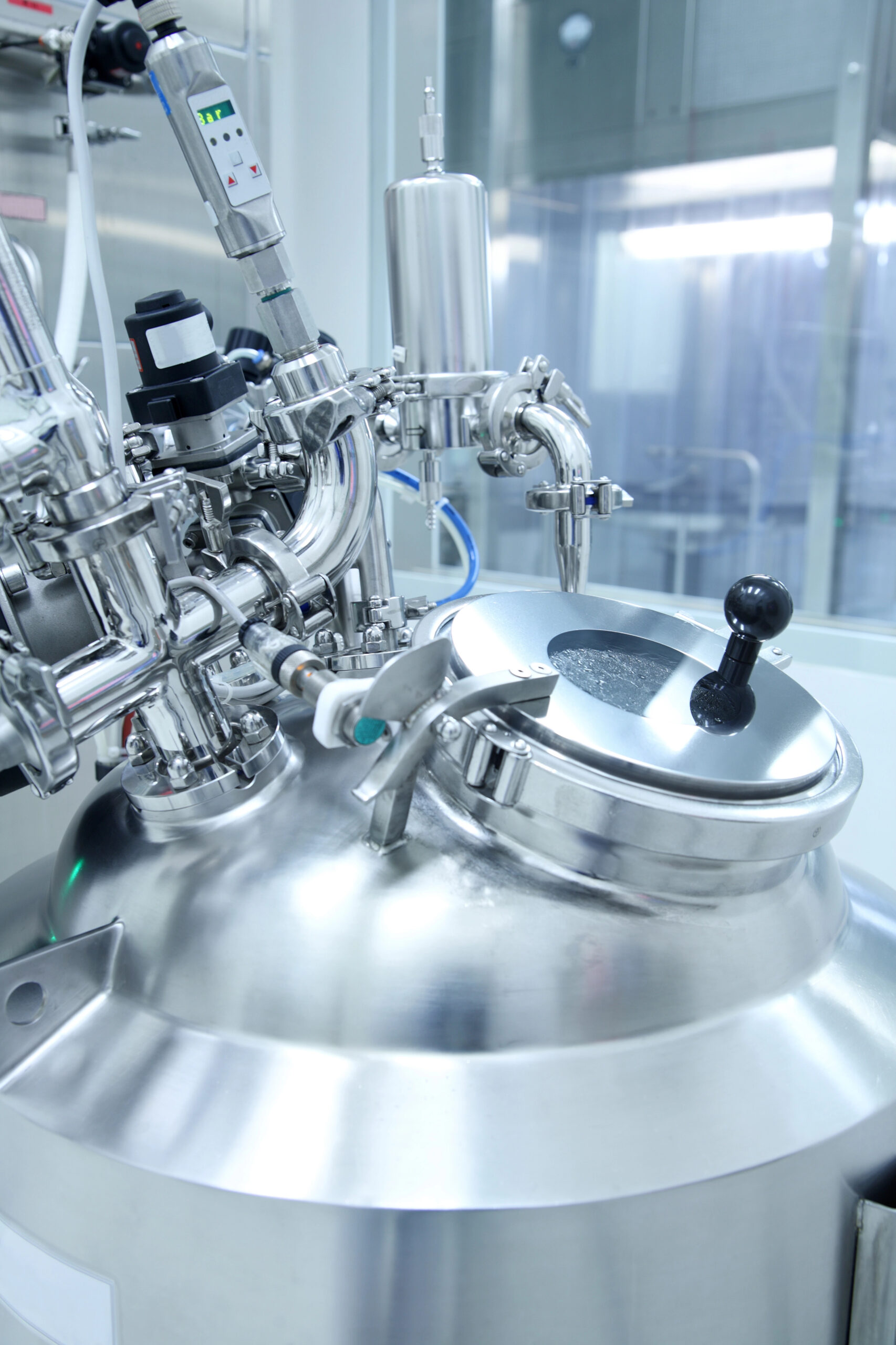
Our pet food manufacturing plant designs abide by essential core principles. These guidelines successfully tackle numerous plant design challenges.
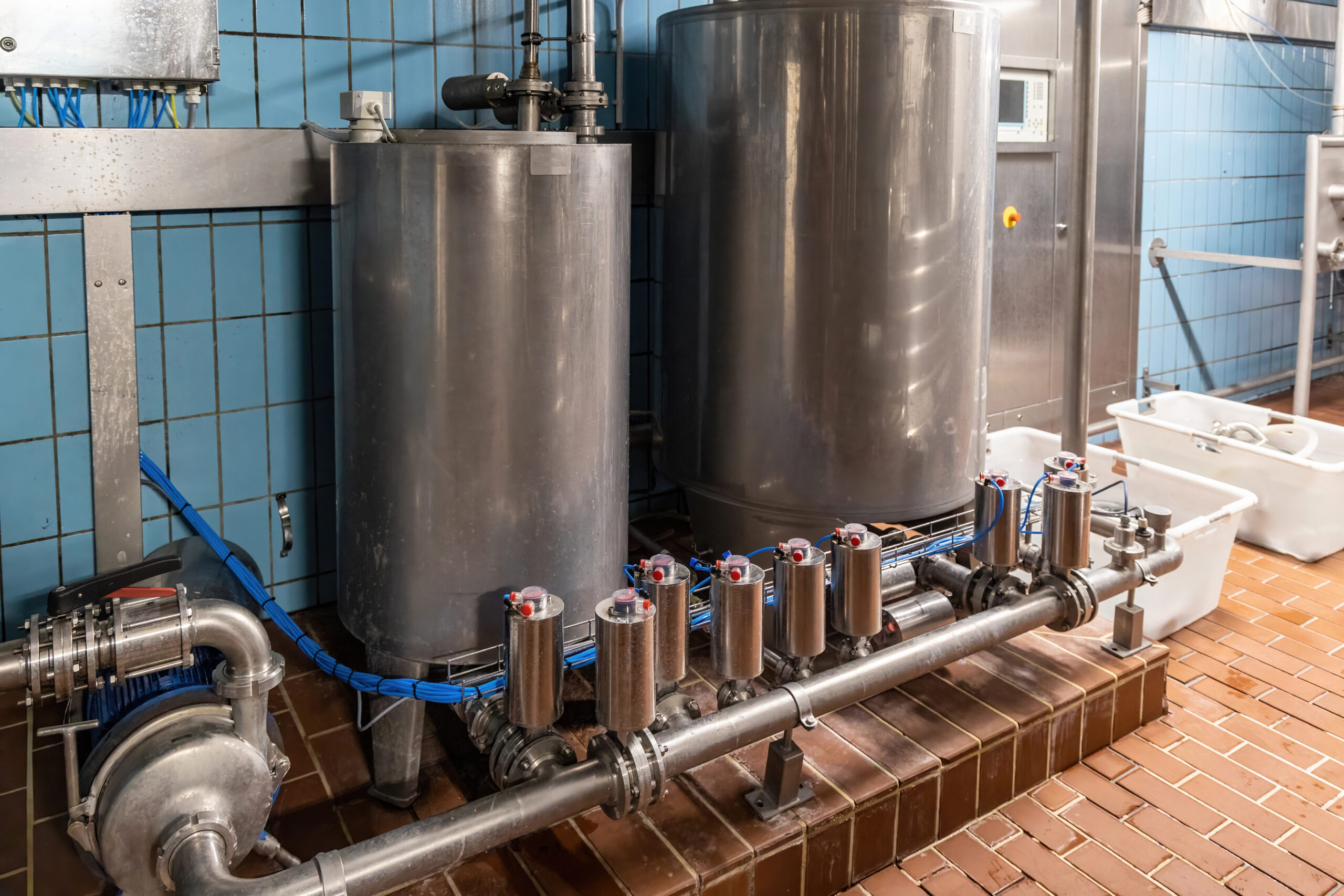
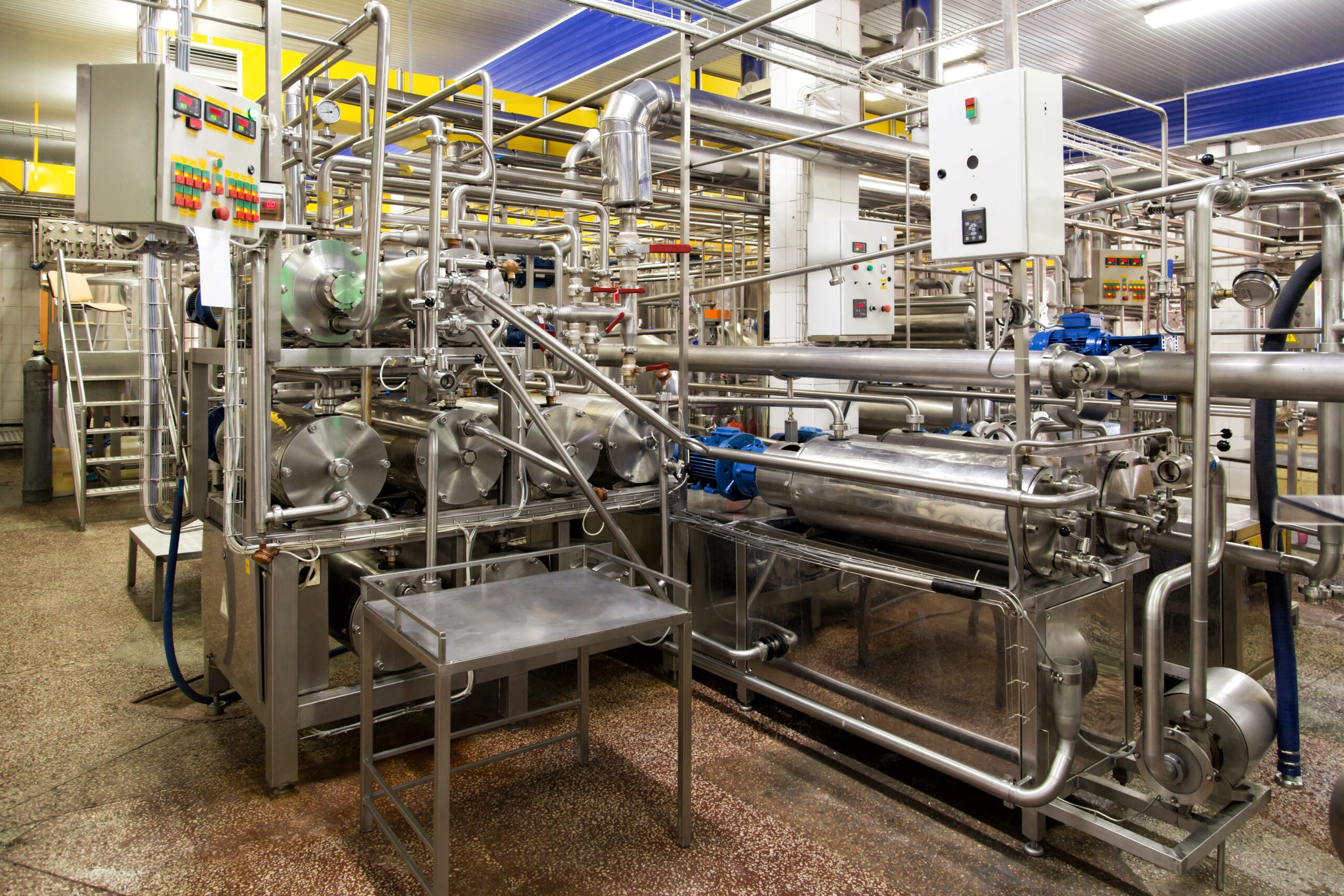
Hazard analysis critical control point (HACCP) is a systematic management system that addresses numerous food safety concerns at every step of the manufacturing process, from raw material procurement to distribution. We build flow diagrams to help our clients navigate this complex but essential process.
Additionally, preventive controls are worth their weight in gold, and the best way to remove human error from food facilities is to preempt it.
So we define critical control points and develop monitoring procedures, guiding our clients to introduce clean-in-place technologies and other automated procedures. This critical service includes comprehensive, actionable documentation to keep facilities operating within regulatory guidelines
Pet food facilities must adhere to strict controls in cooking, mixing, and formulating their products. While we don’t create the recipes for you, we can customize and pre-program your production lines to quickly switch over between multiple recipes and produce varied pet foods for a larger market share.
Producing pet food requires an ability to enact effortless line adjustments to achieve market agility and capitalize on constantly changing consumer demands.
Our clients exhibit ever-differing needs, especially at the critical stage that sees finished foods become attractively packaged products ready for store shelves.
We formulate a game plan for the most efficient filling, sealing, and packing options so that manufacturing facilities can adhere to modern food safety requirements.
High-pressure processing (HPP) is a non-thermal food preservation technique that kills pathogens using extreme pressure.
HPP achieves sterilization and extends the shelf life of food products. We maximize clients’ production capabilities by outlining critical selection criteria for HPP equipment based on your unique needs and plant configurations.
Wet food plants must have a carefully planned layout for cooling, storage, and distribution flows to maintain critical temperature control.
We take the guesswork out of the equation by mapping cold chain staging zones with strict temperature-control requirements to ensure the cold chain is maintained through each phase of the production, storage, and distribution processes. As a result, our clients can minimize operational costs without compromising safety or quality.
It may be easy to purchase new equipment. But integrating automation, bringing staff up to speed, and making sure everything works in concert present a significant sink for time and money.
In fact, facilities often invest more in equipment engineering and commissioning than in equipment sourcing. We bring the best of both worlds to help you save money while increasing your production capacity.
Whether you need industry-proven expertise to retrofit existing equipment or introduce new lines, we provide multiple options and help you make the best choice.
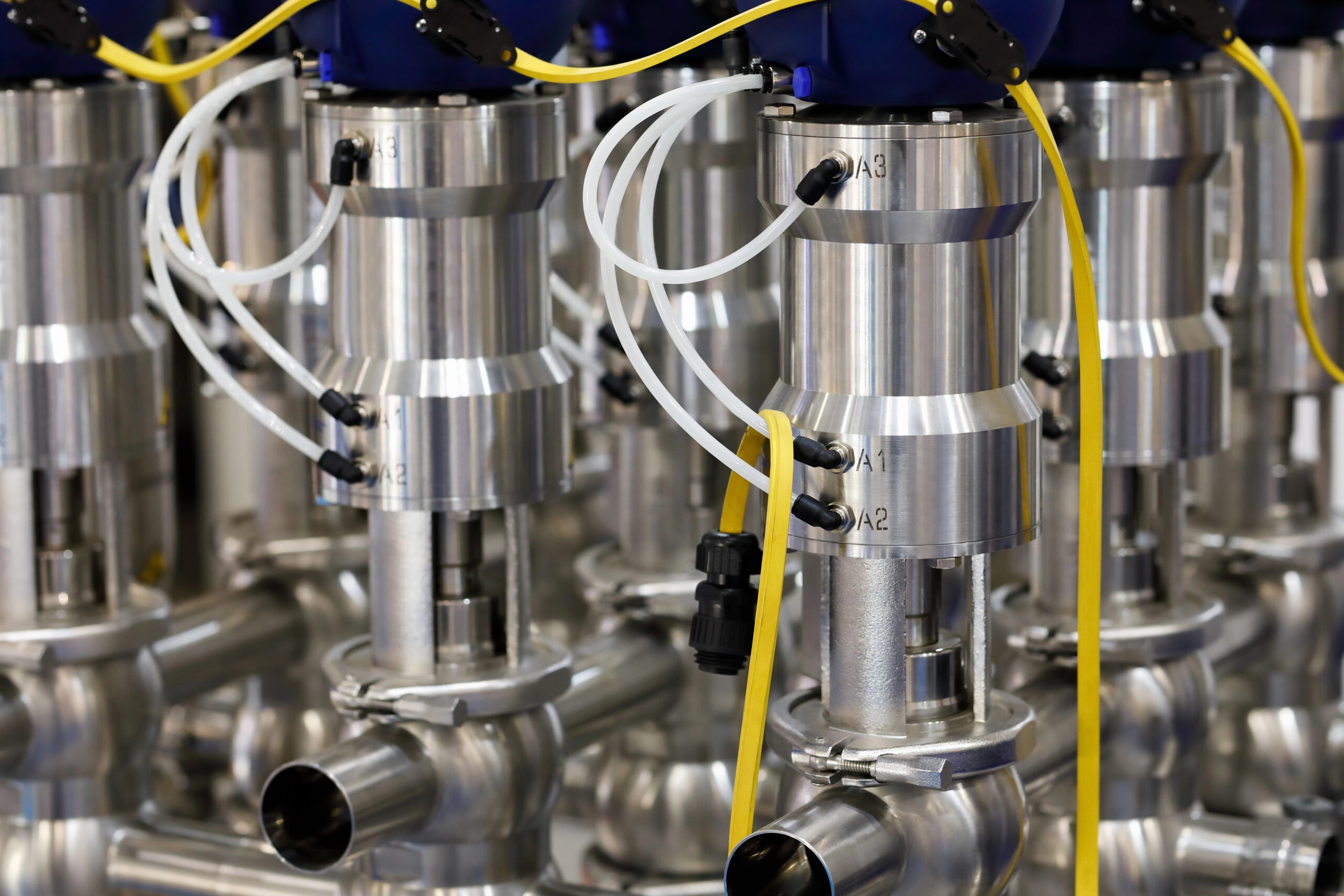
Our pet food manufacturing plant designs abide by essential core principles. These guidelines successfully tackle numerous plant design challenges.
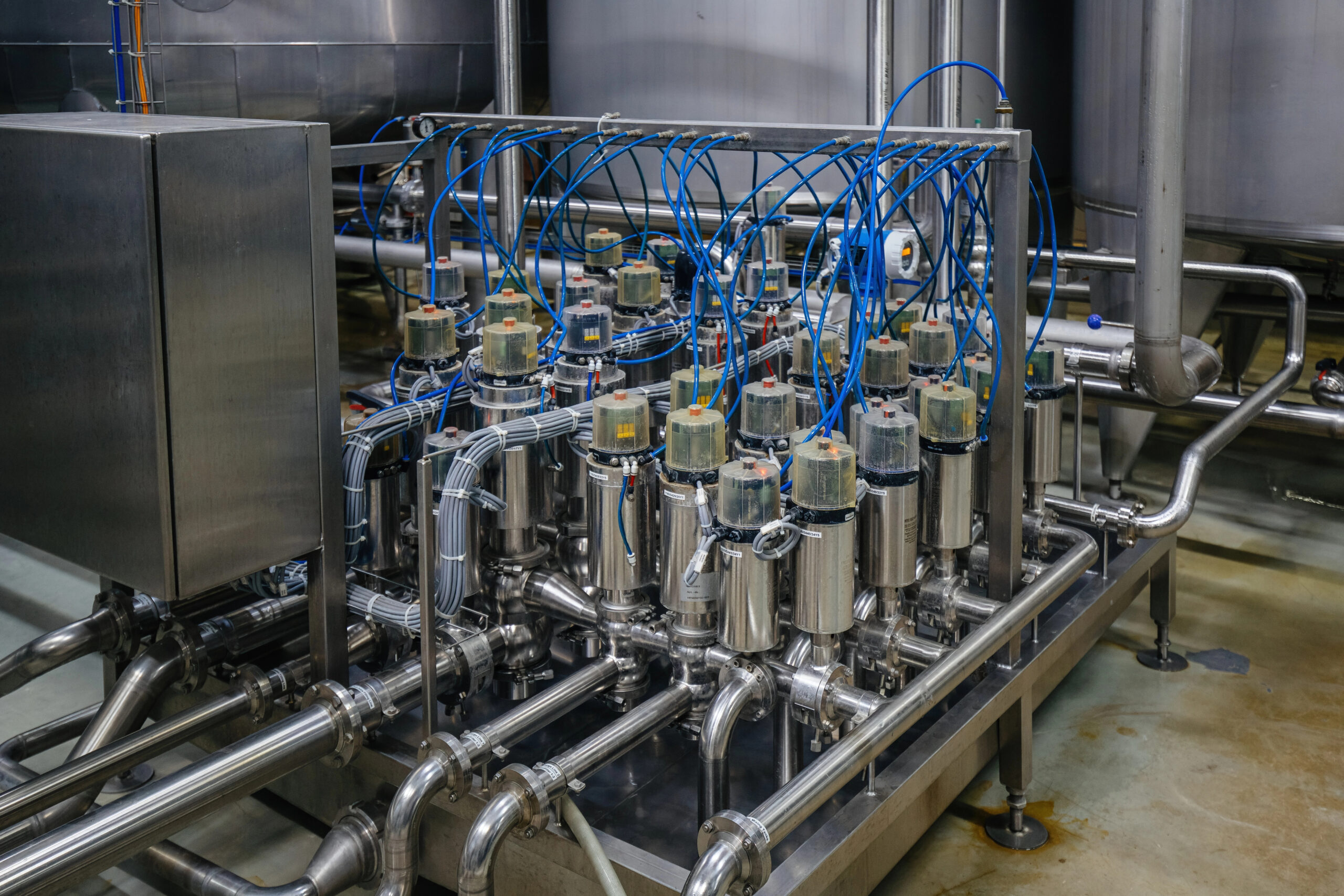
Whether you run an established pet food manufacturing plant or are an industry upstart, knowing how to invest is vital for your financial future.
Accordingly, we help our clients understand the essential calculations that forecast profitability and return on investment (ROI). These measures allow manufacturers to decide whether they should build a new facility environment from the ground up or invest in repurposing their current facilities with modern design elements.
Pets are a part of the family, so it’s no surprise that American pet owners demand the safest, freshest, most nutritious foods for their beloved companions.
Yet the pet food industry poses unique challenges, requiring expertise in both ready-to-eat (RTE) material handling and liquid food processing.
Addressing these issues can prove highly beneficial, as wet pet food producers can achieve high profitability margins.
In fact, we often see consumers hold a higher standard for the quality of what they put in their pets’ bowls compared to what they put in their own.
So we utilize years of industry experience to assist our clients in enacting plant designs that are proven to produce the most wholesome fare in the always-rewarding wet pet food sector.
Our pet food manufacturing plant designs abide by essential core principles. These guidelines successfully tackle numerous plant design challenges.
Consumers want to know where their food comes from, and that is equally (or doubly) true of the meat sourced for their pets’ food. Our data schemes make quality control a breeze, including ingredient sourcing and handling standards specific to facilities handling raw meat, to offer pet food manufacturers a competitive edge.
Contamination concerns have caused the recall of tens of millions of pounds of pet food over the past few years, further confirming the need for accountability standards. Aflatoxin contamination has been the leading cause of pet food recalls.
Pet food facilities must adhere to strict controls in cooking, mixing, and formulating their products. While we don’t create the recipes for you, we can customize and pre-program your production lines to quickly switch over between multiple recipes and produce varied pet foods for a larger market share.
Producing pet food requires an ability to enact effortless line adjustments to achieve market agility and capitalize on constantly changing consumer demands.
Our clients exhibit ever-differing needs, especially at the critical stage that sees finished foods become attractively packaged products ready for store shelves.
We formulate a game plan for the most efficient filling, sealing, and packing options so that manufacturing facilities can adhere to modern food safety requirements.
High-pressure processing (HPP) is a non-thermal food preservation technique that kills pathogens using extreme pressure.
HPP achieves sterilization and extends the shelf life of food products. We maximize clients’ production capabilities by outlining critical selection criteria for HPP equipment based on your unique needs and plant configurations.
Wet food plants must have a carefully planned layout for cooling, storage, and distribution flows to maintain critical temperature control.
We take the guesswork out of the equation by mapping cold chain staging zones with strict temperature-control requirements to ensure the cold chain is maintained through each phase of the production, storage, and distribution processes. As a result, our clients can minimize operational costs without compromising safety or quality.
It may be easy to purchase new equipment. But integrating automation, bringing staff up to speed, and making sure everything works in concert present a significant sink for time and money.
In fact, facilities often invest more in equipment engineering and commissioning than in equipment sourcing. We bring the best of both worlds to help you save money while increasing your production capacity.
Whether you need industry-proven expertise to retrofit existing equipment or introduce new lines, we provide multiple options and help you make the best choice.
We treat pet food with the same respect and eye to detail as items made for human consumption.
Whether you run an established pet food manufacturing plant or are an industry upstart, knowing how to invest is vital for your financial future.
Accordingly, we help our clients understand the essential calculations that forecast profitability and return on investment (ROI). These measures allow manufacturers to decide whether they should build a new facility environment from the ground up or invest in repurposing their current facilities with modern design elements.
Explain your Engineering Challenges and We’ll have a Team Member Connect!
HACCP, SQF & regulatory-aligned from day one.
We modernize old factories or design from scratch.
Nationwide sanitary welding & commissioning support.
Precision Engineered. Sanitary By Design.
© 2026 HMS . All rights reserved.