The rise in ready-to-eat (RTE) food consumption represents a structural market shift in the global food economy. Capitalizing on this rapidly rising market is key for manufacturers, processors, and distributors seeking long-term success.
RTE foods appeal to an increasingly busier global population. Some of the most popular options include pre-cooked meats, sandwiches, snack foods, and breakfast fare such as egg bites and biscuits.
This presents a profitable add-on for many food plants, and we help clients integrate these commonly purchased items into their existing facilities.
Projected size of the RTE meals market by 2027.
Ensuring the safety of RTE foods is a unique challenge, but one we help clients achieve through strict sanitation protocols, including lethality validation reviews and contamination prevention strategies.
Such tactics preserve food quality and shelf life because consumers shouldn’t have to sacrifice safety to enjoy fresh, convenient meals – or vice versa.
Hazard analysis critical control point (HACCP) is a systematic management system that addresses numerous food safety concerns at every step of the manufacturing process, from raw material procurement to distribution. We build flow diagrams to help our clients navigate this complex but essential process.
Additionally, preventive controls are worth their weight in gold, and the best way to remove human error from food facilities is to preempt it.
So we define critical control points and develop monitoring procedures, guiding our clients to introduce clean-in-place technologies and other automated procedures. This critical service includes comprehensive, actionable documentation to keep facilities operating within regulatory guidelines
RTE products offer convenient culinary options but lack a “kill step,” meaning they are eaten as is without being further cooked by the consumer.
Food facilities must adhere to rigorous safety and monitoring standards to avoid cross-contamination during preparation, processing, and packaging, so a risk assessment is essential.
As is an environmental monitoring program (EMP) to frequently inspect equipment, surfaces, and other aspects of food processing facilities.
And since the past informs the future, data-driven artificial intelligence (AI) and internet of things (IoT) processes can be employed to analyze cleaning procedures to prevent future issues.
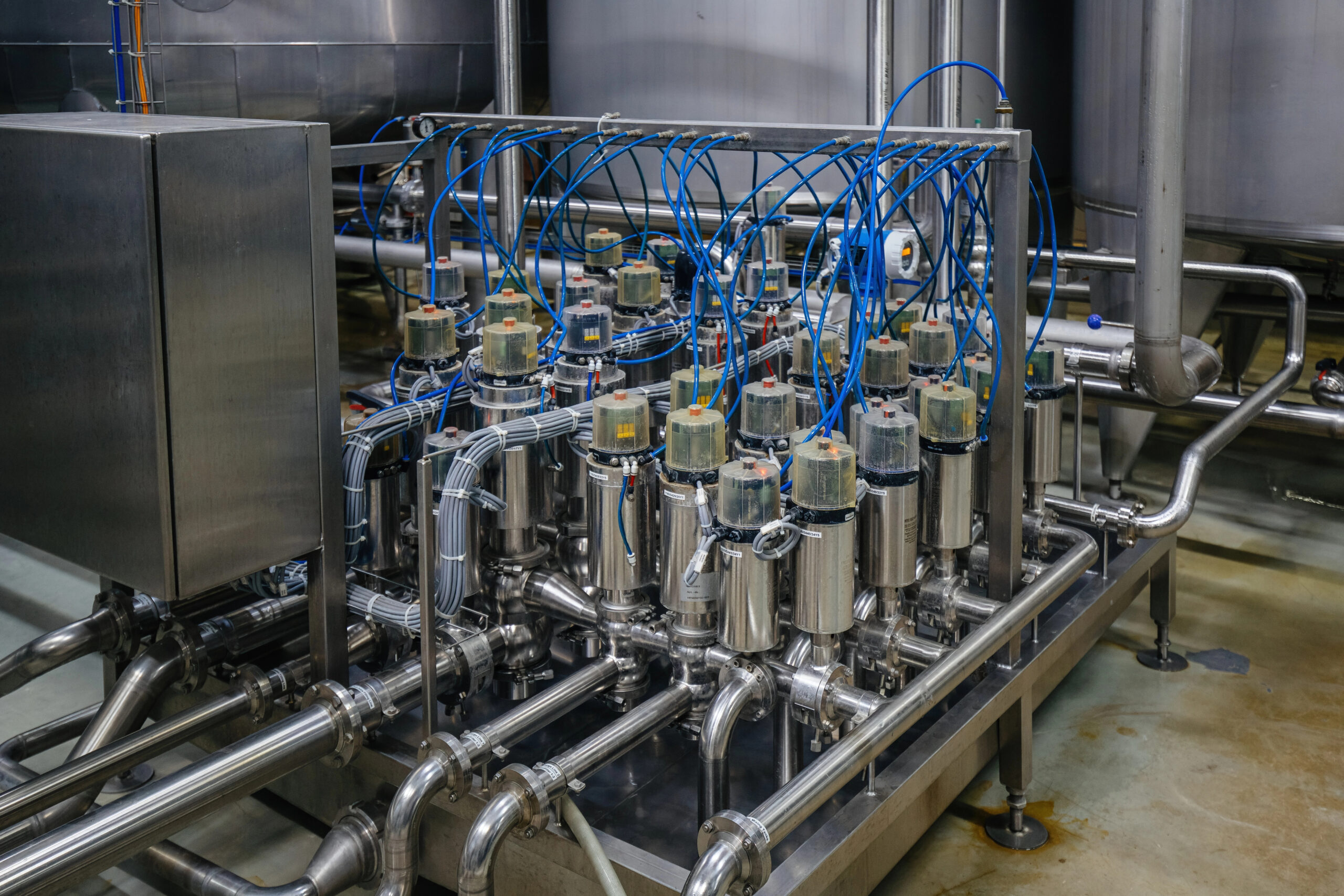
An old factory can learn new tricks. Outdated equipment or procedures are not an industrial death sentence, and we specialize in helping our clients retrofit their facilities to bring new life to old factories.
Producing the freshest, most popular RTE products requires processing raw materials. Accordingly, we map efficient line processes so our clients can separate flows of raw ingredients from RTE lines and avoid cross-contamination via worker or equipment exposure.
Every client is different. It requires many years of industry experience to create customized clean-in-place (CIP) systems for liquid processing lines, based on each facility’s unique needs.
For example, adequate drain slopes and floor finishes are critical hygiene components necessary to prevent bacterial growth and other hazards, like the release of toxic volatile organic compounds (VOCs).
It’s also vital to protect food plant personnel by providing a non-slip surface. But worry not – our experts have tested many commonly used floor and wall finishes and strive to help our clients select the optimal options for their facility.
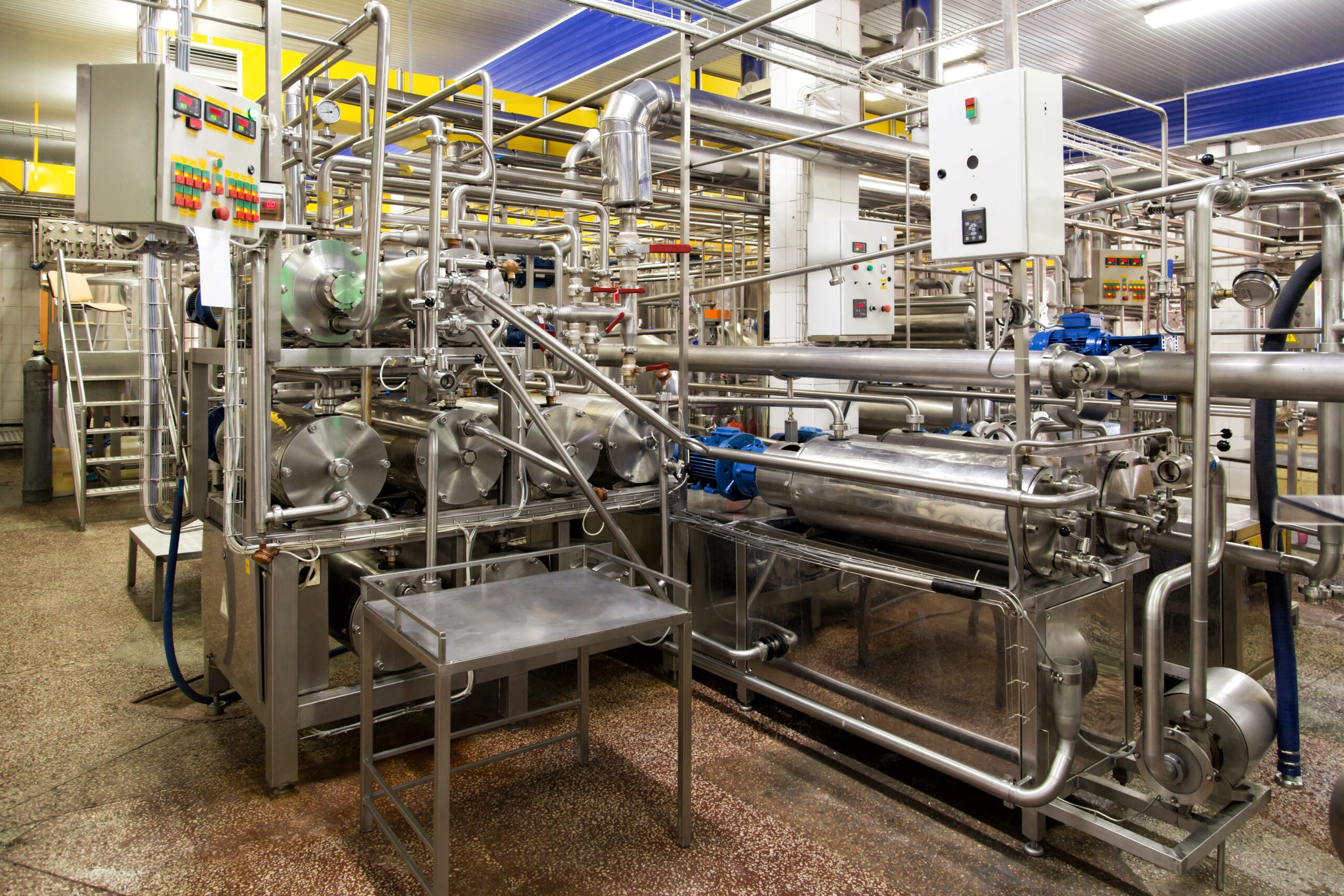
The right equipment makes all the difference, especially when public safety depends on achieving the most hygienic, sanitary conditions.
Food facilities need integrative experience to introduce new equipment or assimilate used equipment into existing plants — saving money and increasing efficiency.
Since food safety is non-negotiable, we help clients achieve pasteurization validation: a necessary step to ensure that heating processes consistently kill foodborne pathogens. This involves calculating F0 values, a measure of lethality that proves that a facility has achieved food safety standards.
These processes may, and do, vary with time, so RTE food plants must perform revalidations protocols after any changes.
We help our clients improve the operational standards of facility personnel, either by providing documentation or through a hands-on approach.
In addition to training workers to optimize production lines, this relies on implementing one-way work flows to minimize hazards and sustain industry-leading food safety practices.
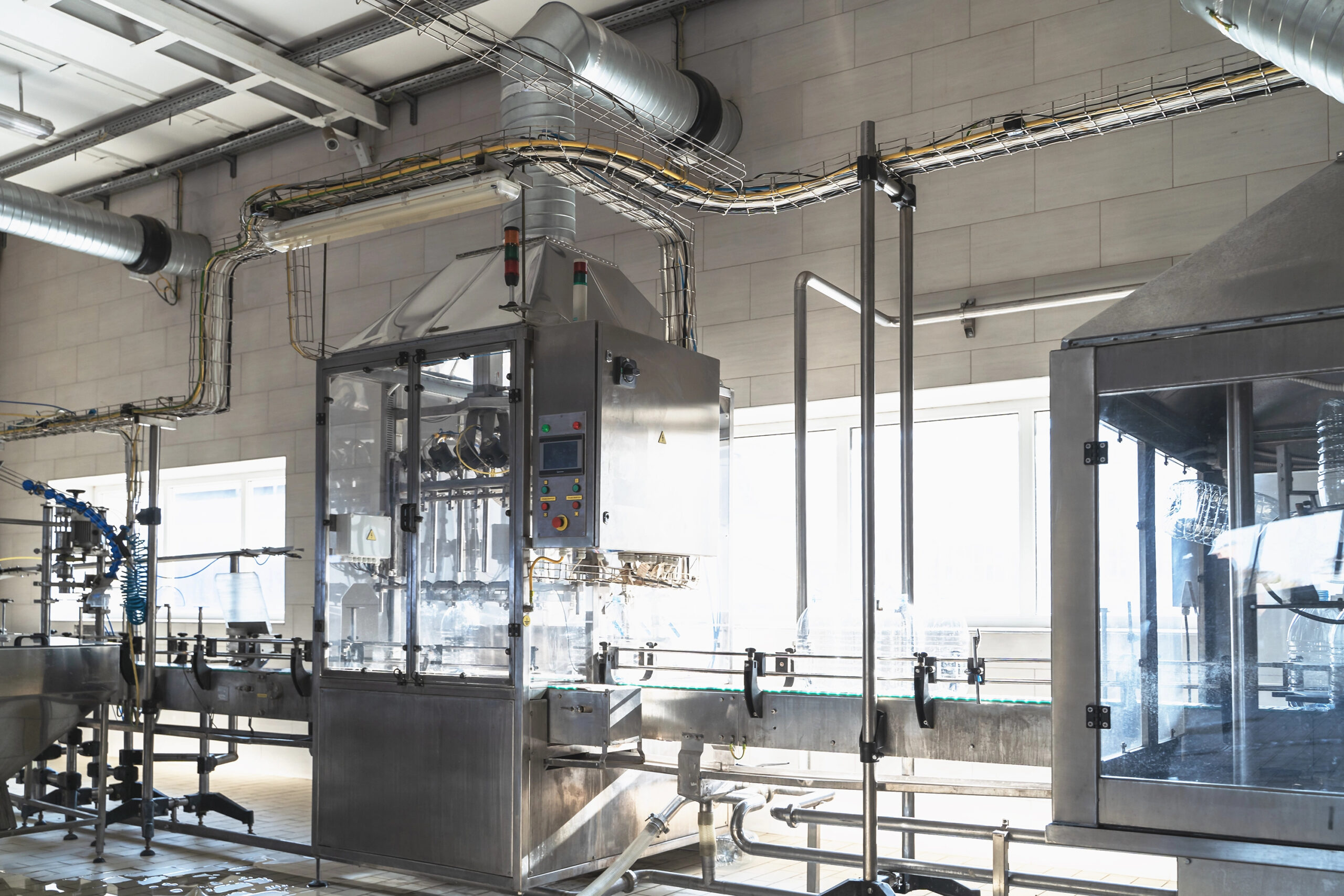
Food Plant 4.0 achieves adaptable, automated design adaptations that are continually fed and optimized by data collection and analytics.
This allows our clients to achieve agility, a critical quality in an industry in which consumer demands constantly change. Modular production lines are therefore essential for quick product changeovers to optimize market trends.
Automated processes also prevent contact between personnel, equipment, ingredients, and RTE products, so we streamline industrial processes to minimize manual handling points.
Finally, flexibility is key because technologies are always evolving. It’s therefore essential to consider spare capacity for upgrades and additions.
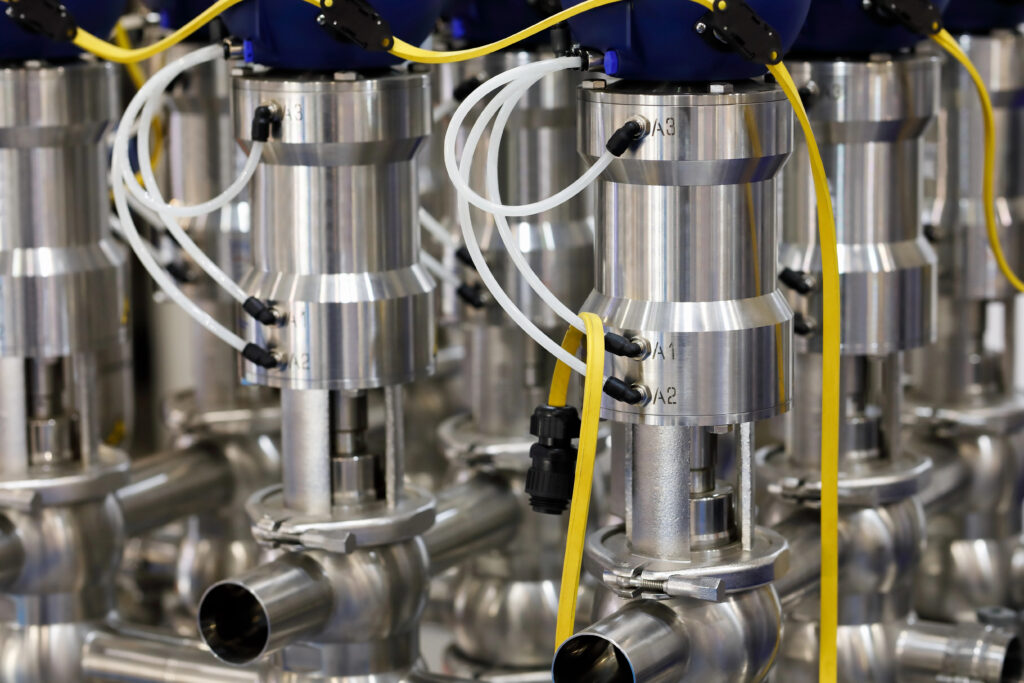
The rise in ready-to-eat (RTE) food consumption represents a structural market shift in the global food economy. Accordingly, the RTE meals market is projected to surpass $450 billion by 2027. Capitalizing on this rapidly rising market is key for many food manufacturers, processors, or distributors seeking long-term success.
RTE foods appeal to an increasingly busier global population, and some of the most popular RTE options include pre-cooked meats, sandwiches, snack foods, and breakfast fare, such as egg bites or biscuits.
This presents a profitable add-on for many food plants, and we excel in helping our clients include these commonly purchased items in their existing facilities.
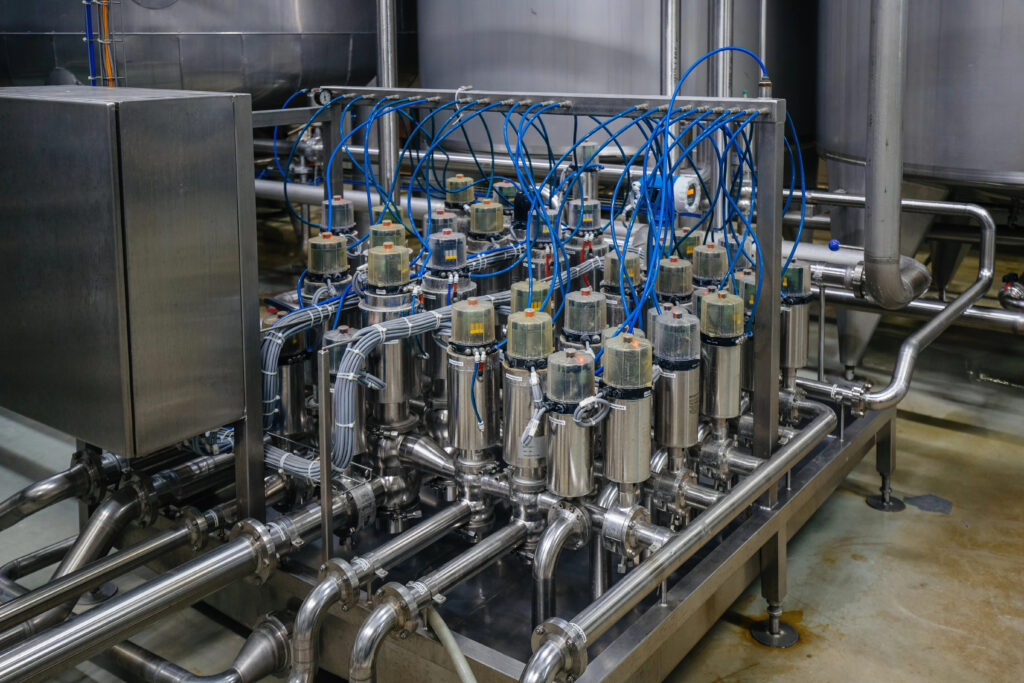
Ensuring the safety of RTE foods is a unique challenge, but one we help clients achieve through strict sanitation protocols, including lethality validation reviews and contamination prevention strategies.
Such tactics preserve food quality and shelf life because consumers shouldn’t have to sacrifice safety to enjoy fresh, convenient meals – or vice versa.
Hazard analysis critical control point (HACCP) is a systematic management system that addresses numerous food safety concerns at every step of the manufacturing process, from raw material procurement to distribution. We build flow diagrams to help our clients navigate this complex but essential process.
Additionally, preventive controls are worth their weight in gold, and the best way to remove human error from food facilities is to preempt it.
So we define critical control points and develop monitoring procedures, guiding our clients to introduce clean-in-place technologies and other automated procedures. This critical service includes comprehensive, actionable documentation to keep facilities operating within regulatory guidelines
RTE products offer convenient culinary options but lack a “kill step,” meaning they are eaten as is without being further cooked by the consumer.
Food facilities must adhere to rigorous safety and monitoring standards to avoid cross-contamination during preparation, processing, and packaging, so a risk assessment is essential.
As is an environmental monitoring program (EMP) to frequently inspect equipment, surfaces, and other aspects of food processing facilities.
And since the past informs the future, data-driven artificial intelligence (AI) and internet of things (IoT) processes can be employed to analyze cleaning procedures to prevent future issues.
An old factory can learn new tricks. Outdated equipment or procedures are not an industrial death sentence, and we specialize in helping our clients retrofit their facilities to bring new life to old factories.
Producing the freshest, most popular RTE products requires processing raw materials. Accordingly, we map efficient line processes so our clients can separate flows of raw ingredients from RTE lines and avoid cross-contamination via worker or equipment exposure.
Every client is different. It requires many years of industry experience to create customized clean-in-place (CIP) systems for liquid processing lines, based on each facility’s unique needs.
For example, adequate drain slopes and floor finishes are critical hygiene components necessary to prevent bacterial growth and other hazards, like the release of toxic volatile organic compounds (VOCs).
It’s also vital to protect food plant personnel by providing a non-slip surface. But worry not – our experts have tested many commonly used floor and wall finishes and strive to help our clients select the optimal options for their facility.
We help our clients improve the operational standards of facility personnel, either by providing documentation or through a hands-on approach. In addition to training workers to optimize production lines, this relies on implementing one-way work flows to minimize hazards and sustain industry-leading food safety practices.
Food Plant 4.0 achieves adaptable, automated design adaptations that are continually fed and optimized by data collection and analytics.
This allows our clients to achieve agility, a critical quality in an industry in which consumer demands constantly change. Modular production lines are therefore essential for quick product changeovers to optimize market trends.
Automated processes also prevent contact between personnel, equipment, ingredients, and RTE products, so we streamline industrial processes to minimize manual handling points.
Finally, flexibility is key because technologies are always evolving. It’s therefore essential to consider spare capacity for upgrades and additions.
Explain your Engineering Challenges and We’ll have a Team Member Connect!
HACCP, SQF & regulatory-aligned from day one.
We modernize old factories or design from scratch.
Nationwide sanitary welding & commissioning support.
Precision Engineered. Sanitary By Design.
© 2026 HMS . All rights reserved.