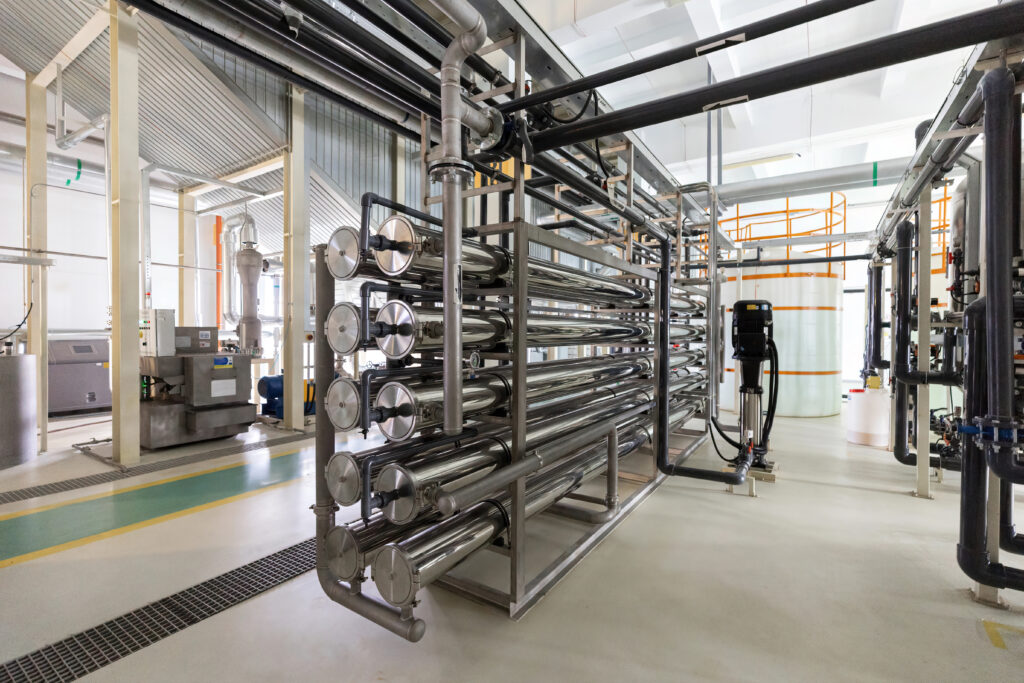
Liquid food processing can help existing facilities add profits by adopting liquid food lines or upgrading their current production methods.
For example, the global dairy industry is set to surge due to increased demand for protein, rising manufacturing efficiency, and increases in herd sizes across America. Liquid egg processing facilities are also benefiting from the protein-centric shift, which is further enhanced by consumers’ desire for more convenient, easy-to-eat breakfast options.
And even though many breweries and wineries nationwide are struggling with sales, those that are willing to retool their production methods enjoy much more agility and a higher chance of continued success.
However, each type of liquid food item presents unique chemical engineering and food science challenges. So we leverage the latest technology to optimize production capabilities for our clients in dairy, liquid egg, brewery, and wine facilities.
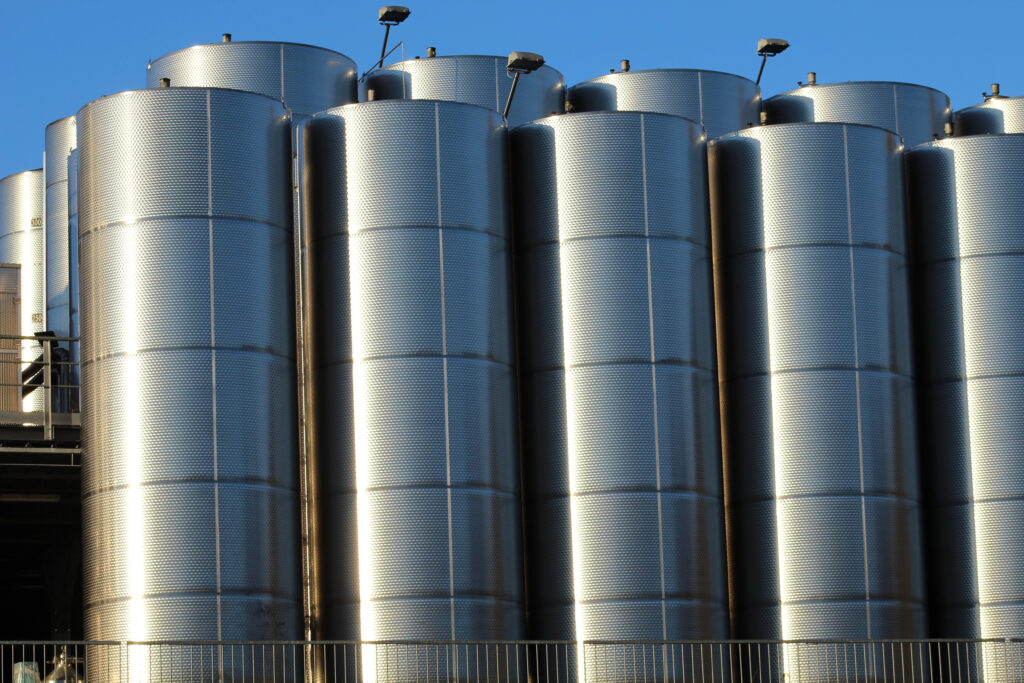
Site selection can be critical for food processing plants, wet or dry. Manufacturers benefit by being close to their raw materials and their markets, as adjacency reduces transportation, energy, and labor costs.
Therefore, we guide our clients through the food facility design process to explain all planning and zoning requirements.
And because moving a whole processing plant may not be feasible, we’re equally adept at retooling existing food plants through equipment updates or factory floor redesigns, implementing resource-effective manufacturing to reduce waste.
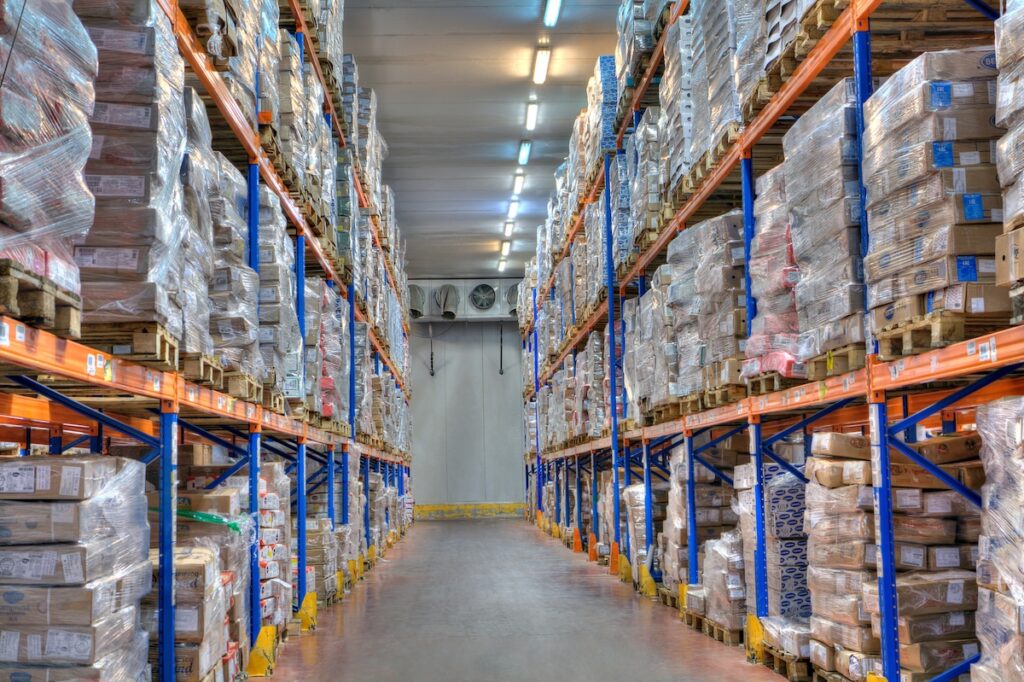
Liquid food processing plants must have precise, temperature-controlled cold storage facilities to preserve frozen foods and liquid ingredients at a variety of temperatures.
Food facilities must also prioritize access and monitoring controls and be equipped to handle worst-case loads, or maximal operational conditions for designated periods of time.
Secure airlocks and double-door designs are vital to keep warm air from seeping into cold storage areas and preventing unsanitary moisture buildup
Selecting, sizing, and sourcing equipment are all common causes of headaches. So we assist clients in procuring new components or modifying existing equipment to guarantee product quality while reducing operating costs.
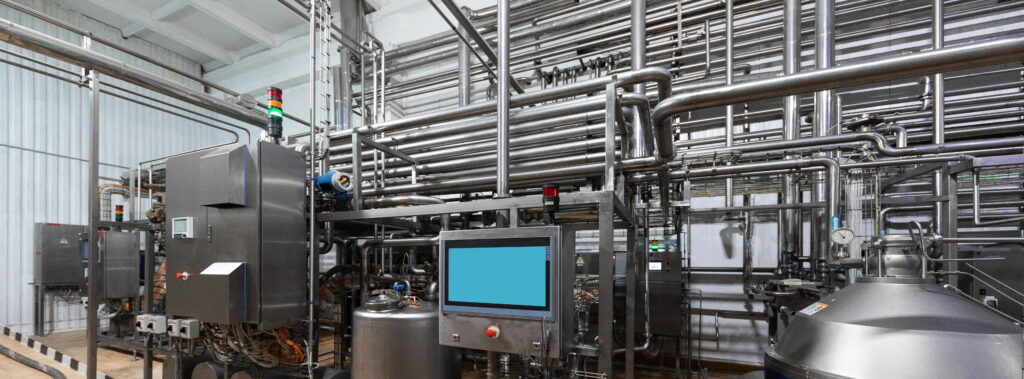
The food plant of the future is automated and adaptive, constantly refining its production processes and quotas based on data stream analyses. These real-time data streams are fed by Internet of Things (IoT) devices, such as inline sensors, and analyzed by artificial intelligence (AI) and machine learning (ML) agents via edge computing or cloud-based technologies.
Our controls team has helped many clients implement automated-and-AI-powered processes into their existing operations, providing modern IT architecture and economic evaluations without the hassle or downtime caused by major renovations.
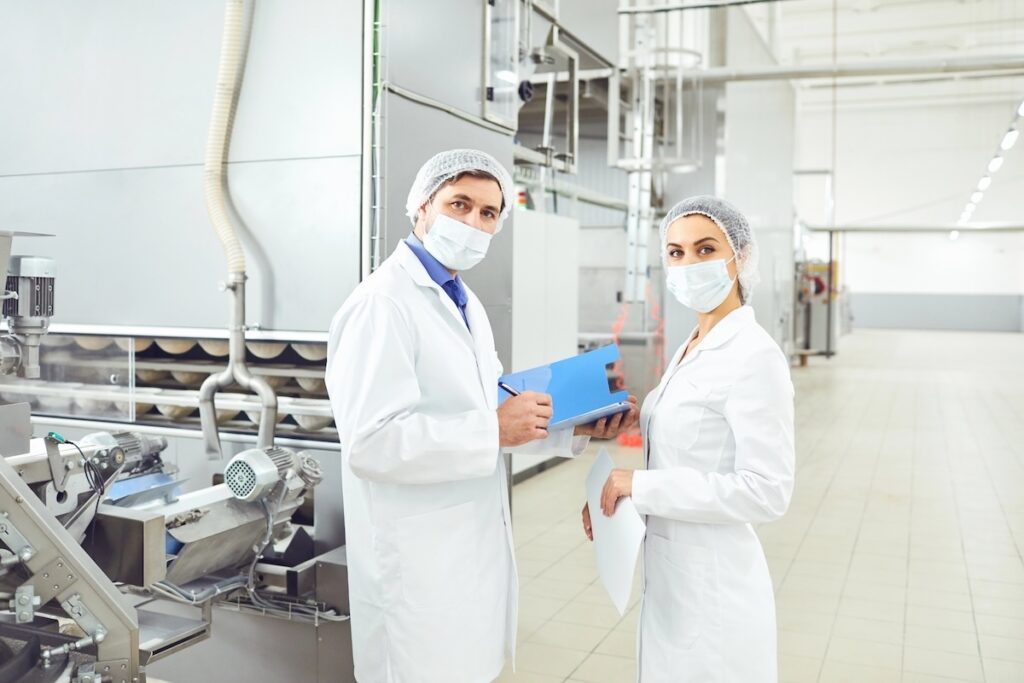
We provide all the documentation and personnel training necessary to comply with safety and regulatory requirements, including guidance for compiling company records and traceability reports.
We also include an outline of operational practices and frequently build our clients’ HACCP (Hazard Analysis Critical Control Point) management systems from scratch to identify, monitor, and prevent hazards. As a result, our partners hit the ground running from their first day in business.
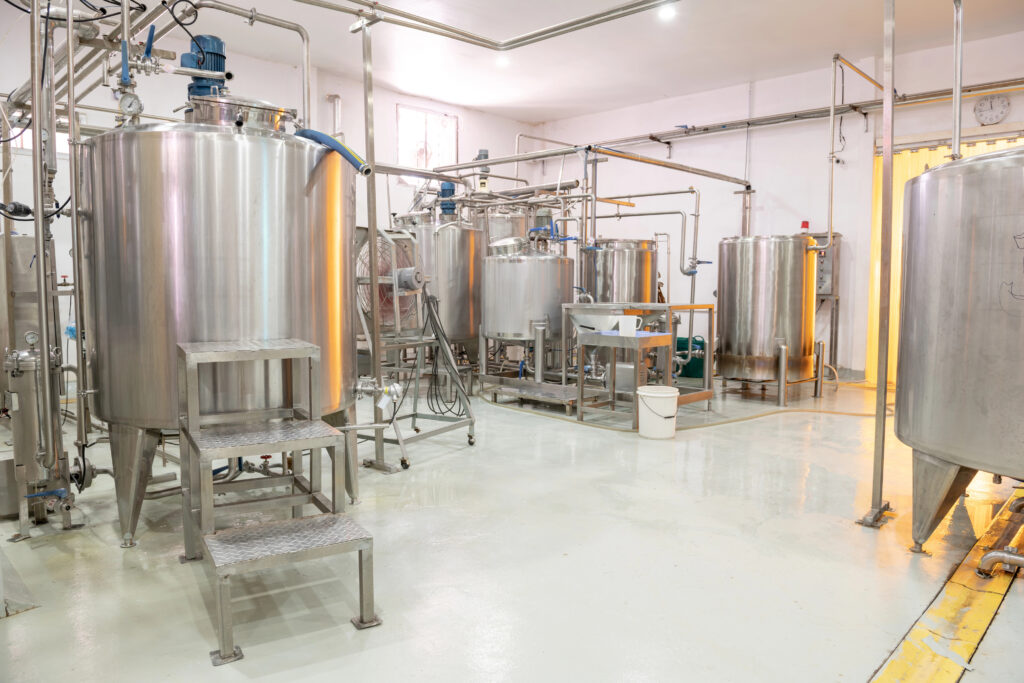
Modular designs include the popular skid-based systems, which are pre-assembled, self-contained operational units such as blenders, pasteurizers, or filtration systems that can be efficiently integrated into existing food processing plants.
Modular technologies allow our clients to ‘plug-and-play,’ increasing their profits by leveraging food production lines for contract manufacturing and co-packing. This newfound agility guards against market swings and injects new revenue streams without requiring plant overhauls.
Explain your Engineering Challenges and We’ll have a Team Member Connect!
HACCP, SQF & regulatory-aligned from day one.
We modernize old factories or design from scratch.
Nationwide sanitary welding & commissioning support.
Precision Engineered. Sanitary By Design.
© 2026 HMS . All rights reserved.