A food safety plan is one of those documents that sounds more complicated than is really necessary. At its core, it has one goal, which is to answer a few fundamental questions. What food safety hazards could happen in this facility? Where could they happen and how are we watching that? What are we doing to control them?
Simple rarely means easy. Food safety plan builders are able to break down the complicated minutiae of these questions so that you can focus on raw materials coming in, food products moving through production, employees handling equipment, cleaning schedules, pest control, supply chain issues, allergens, temperature control, and finished product leaving the building without having to rely on guesswork.
Start With The Process
Our process for creating a written food safety plan often begins with a flow diagram. Receiving. Storage. Prep. Mixing. Cooking. Cooling. Packaging. Holding. Shipping. So on and so forth. It’s all about fully grasping the steps in your facility and process so that we can pinpoint hazards unique to your situation.
A good HACCP team or food safety team should include people who understand daily operations. The person who actually sees the line run every day may know things the office never sees.
Hazard Analysis Without The Headache
Food safety procedures, by and large, sound more intimidating than they have to be. Basically, we’re finding the spots where bacteria could grow, allergens could cross-contaminate, and foreign objects could get into the food. Human food regulation is much more strict than other fields of manufacturing, but with the right team backing you, you could find yourself with more time, less management stress, and better products. The finish line is actually the point where public health and practical team application meet.
Preventive Controls
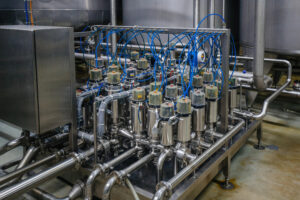
Risk-based preventive controls are real-life solutions to your specific problems. After we find the hazards you’re facing, we can implement controls such as cooking, cooling, hot holding, cold holding, pH control, or metal detection. Others are sanitation controls, like cleaning equipment, food contact surfaces, and preventing allergen cross-contact. Some different ones still are supply-chain controls, like buying from approved suppliers and documenting supplier verification records.
Beyond the equipment and the processes, you have the human factor. After all, you can’t automate everything. Seemingly little things like handwashing policies, employee illness reporting, health checks, and safe food handling practices may feel basic, but basic things cause real problems in food facilities when they are ignored.
Monitoring, Corrective Actions, And Verification
Monitoring is how we make sure that our control measures are making a traceable difference. This may look like embracing temperature logs, sanitation checks, thermometer calibration, allergen changeover records, supplier documents, pest control records, or other written procedures tied to the plan that we manufacture.
Corrective action comes next. It’s the steps that not only help employees avoid the same mistakes twice, but also allow us to make our plans even tighter so that our systems promote success. After that is verification, where we prove that the plan works by reviewing records, audits, doing testing, and doing the satisfying work of checking boxes.
HACCP Plan Integration
The last thing we need to discuss is your HACCP. They’re related, but they aren’t always one and the same.
HACCP hones heavily in on hazard analysis and critical control points, while a food safety plan can zoom out by comprising things like preventive controls, supply chain programs, sanitation controls, recall planning, and other supporting procedures.
If you already have a HACCP plan, you may not need to begin anew. Many facilities can build on what they already have, then fill in the pieces required for the bigger food safety system picture.
Keeping The Plan Alive
To keep your food safety plan functioning, records generally need to be retained according to applicable regulatory requirements, and many facilities keep them for at least two years. The plan shouldn’t constantly be changed, but when there is a new product, new supplier, new equipment, new hazard uncovered, or new customer requirement, a review is always in order.
HMS strikes that perfect balance between updating and leaning into what works. We are the culmination of food safety meeting real production. We can review your current plan, walk through your facility, identify gaps, help organize documentation, and build written procedures your team can use.