You can’t produce world-class beverages without sanitation.
The intrinsic nature of beverage production makes sanitation a challenge. Soils from sugars, proteins, hop resins, fruit ingredients, minerals, acids, yeast, and flavorings can build up.
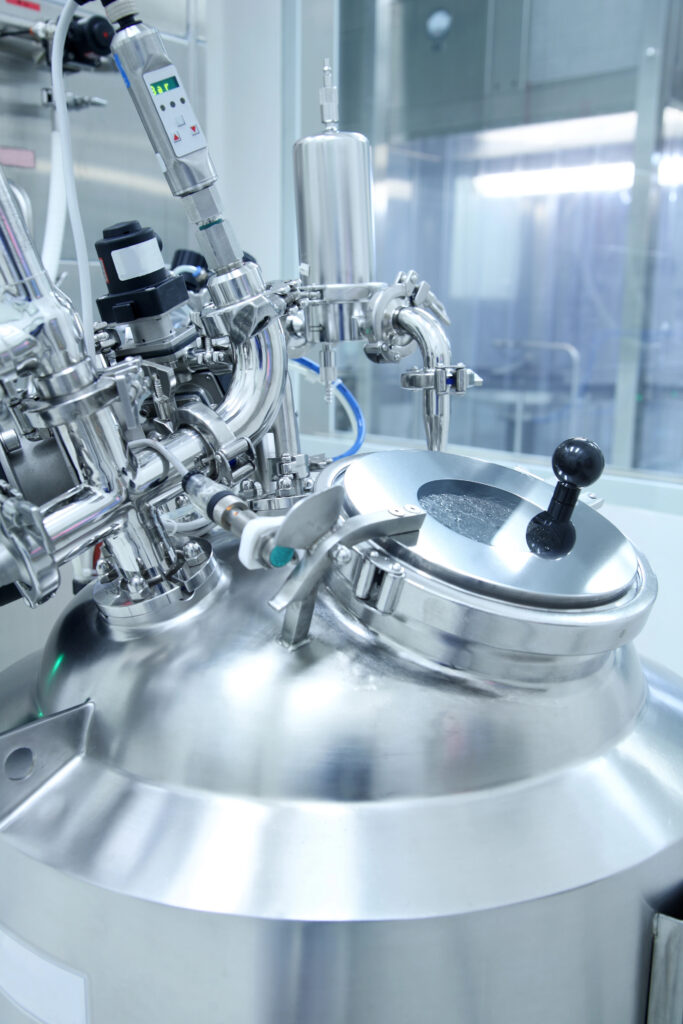
Tanks, piping, pumps, fillers, valves, and hoses are all vulnerable (and hard to clean).
Without proper cleaning, those residues can support microbial growth, create off-flavors, and shorten shelf life. Without verified sanitation, you increase the risk of product loss or recall.
The risk is real.
The World Health Organization estimates that contaminated food causes 600 million illnesses and 420,000 deaths worldwide each year. In the United States, the CDC estimates that foodborne illness sickens 48 million people annually.
Granted, these statistics apply to the entire food industry. Still, they underscore why beverage manufacturers must treat sanitation as a priority, not just a closing-shift checklist.
Strong sanitation systems are what reduce bacterial load, ultimately protecting the end product and supporting the consumer trust that beverage brands need.
Sanitation protects food safety. It also enhances product quality and protects brand credibility. While consumers rarely see the inside of a processing line, they experience the results through flavor and shelf life.
When sanitation fails, the consequences may include spoilage, inconsistent taste, and wasted product. On the expensive end, sanitation problems can lead to regulatory findings, customer complaints, and even public recalls.
You need a cleaner, trackable, and predictable operation. A strong program reduces contamination risk, limits downtime, and improves audit readiness. It starts by helping employees understand why each sanitation step matters — and creates reliability by building systems that predict and compensate for human error.
| Sanitation priority | Operational outcome | Customer-facing result |
|---|---|---|
| Lower microbial loads | Less spoilage and rework | Safer products and longer shelf life |
| Clean food contact surfaces | Better flavor stability | More consistent product quality |
| Verified records | Stronger audit readiness | Greater retailer and consumer confidence |
| Compatible materials | Less corrosion and downtime | More reliable production |
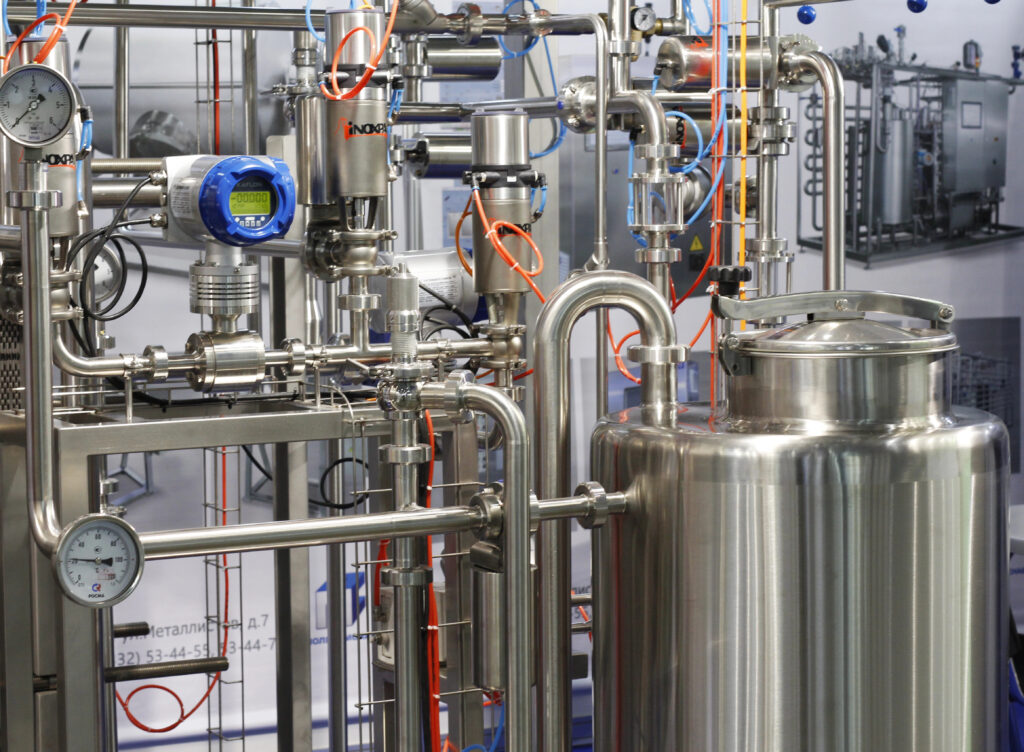
Regulatory compliance revolves around Good Manufacturing Practices (GMPs) with sanitation standard operating procedures (SSOPs). GMPs are facility-wide expectations covering hygiene, maintenance, plant design, pest control, sanitary operations, and production practices. SSOPs are the detailed daily sanitation procedures at every section of the line.
A GMP dictates that sanitary conditions are to be maintained for all equipment. But it is the SSOP that goes into the details of how the filler, transfer lines, gaskets, bright tanks, hoses, valves, drains, and packaging areas are cleaned, inspected, and documented.
Robust SSOPs should include the details new employees need: chemical concentration, water temperature, contact time, verification methods, corrective actions, and responsible personnel. When GMPs and SSOPs are aligned, sanitation becomes predictable — the factory moves from “tribal knowledge” to “trainable habits.”
Your facility is only as productive as your staff training. Our staff got their start operating facilities, which is what makes us the perfect engineering firm to not only design a facility, but to ensure it works as intended day to day. We know where employees tend to take shortcuts, and we get there before them on day one with strong SSOPs and comprehensive training.
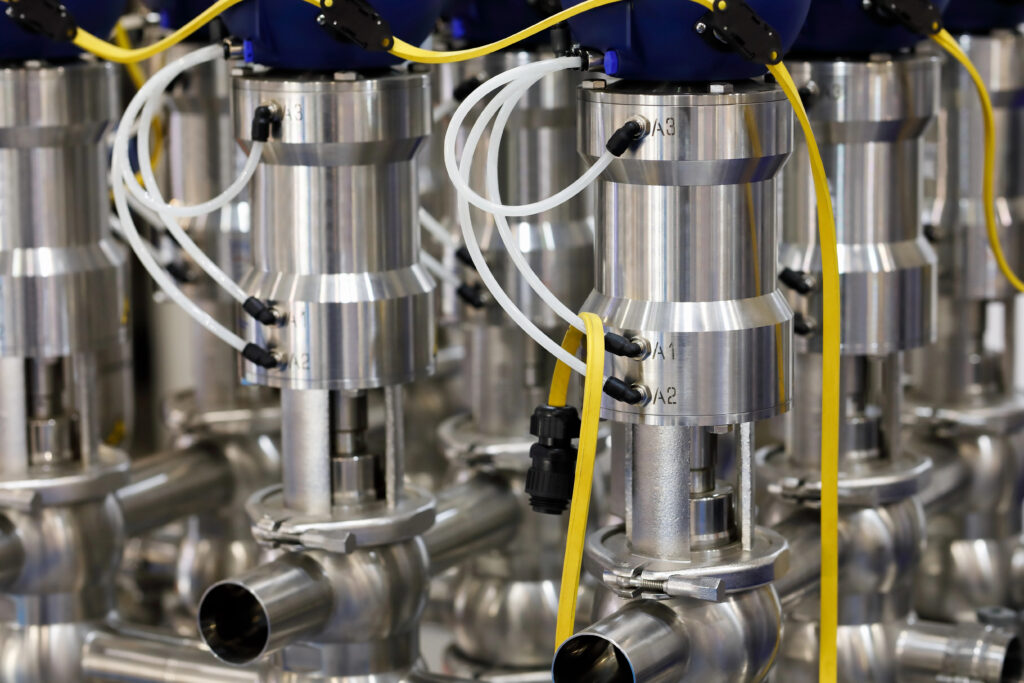
Many sanitation issues begin in high-risk zones and bottlenecks — fillers, valve clusters, dead legs, drains, packaging transitions, hose storage points, product transfer connections, and areas where condensation or overspray can encourage bacterial loads. Our experience helps us identify these zones early, and our engineering and operations teams design sanitation solutions that improve operational efficiency instead of slowing production.
Staffing is key to sanitation. Many plants clean during nights, weekends, or short changeover windows, which creates overtime pressure and inconsistent execution. Automation and AI-supported monitoring can reduce reliance on manual labor by tracking cleaning performance.
The right automations can handle everything from improving scheduling and chemical dosing to tracking temperature and documenting clean-in-place cycles. While these tools do not replace trained employees, they help teams confirm that sanitation is effective — and track their efforts.
Effective sanitation begins with knowing the type of soil. Sanitizers must be selected for the product, microbial risk, and the surface being cleaned. Common contaminants include hop resins, protein soils, beer stone, fatty acids, sugar residues, fruit pulp, stabilizers, and colorants.
Matching each soil type to the right chemicals improves cleaning efficiency and prevents both under-cleaning and equipment damage. For example, we often recommend alkaline cleaners for organic soils, then acid cleaners for removing mineral scale such as beer stone. As a product-agnostic firm, we often find areas where cleaning plans contain chemical overuse and unnecessary cleaning cycles.
Each step should be specific enough that two trained employees would perform it the same way, every time. Clean-in-place (CIP) systems are the industry standard for automated cleaning — done properly, CIP can clean tanks, piping, heat exchangers, and closed transfer lines. But CIP only works when the system is engineered correctly. Dead legs, poor spray coverage, worn gaskets, low flow, low turbulence, and incorrect chemical strength can all leave residues behind. We make sure you avoid the common problems.
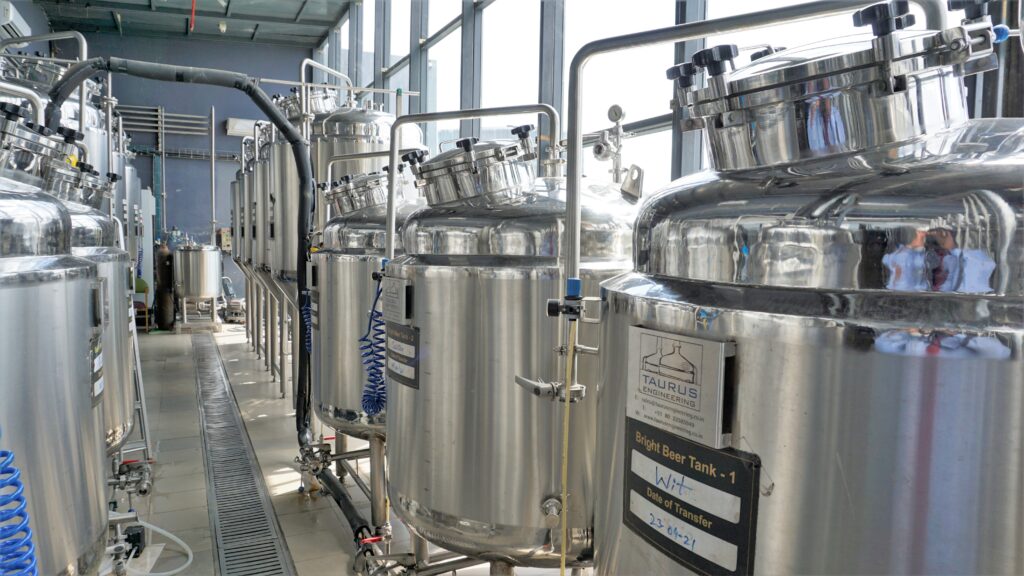
Rusting metals are something we have seen too often — and generally, rust is easily prevented. Acidic products, chlorides, carbonation, heat, and aggressive cleaners can stress metal surfaces. We also see corrosion when dissimilar metals are paired.
Proper engineering protects the lifespan of the equipment and the quality of the finished product. In addition to sanitation cycles, pickling cycles can be used to protect equipment lifespan.
Stainless steel grade, weld quality, surface finish, gasket material, slope, drainability, and access for inspection are all things we watch. The best sanitation outcomes begin before installation, when equipment is sourced.
If you are planning a beverage facility construction project, book a call with us to discuss your specific goals. Our engineers can assist with implementing an existing design or creating one from the ground up.
Explain your Engineering Challenges and We’ll have a Team Member Connect!
HACCP, SQF & regulatory-aligned from day one.
We modernize old factories or design from scratch.
Nationwide sanitary welding & commissioning support.