
The American beer production has continued to decline over the past years, yet Americans are showing more careful taste, increasing their overal spend on craft brewers’ and flavored malts. (3% Sales growth in 2024).
Creativity at scale has become a major goal, as both brewers and customers struggle with higher costs. Additionally, shelf space shrinks as stores focus on other beverages, including seltzers, ready-to-drink (RTD) cocktails, and non-alcoholic drinks.
Brewers must also find ways to appeal to Gen Z and consumers who expect sustainable practices, or who wish to try new drinks, like THC or CBD beverages.
As a result, this confluence of factors has created a exciting world of crafting, bound inside of a cautious financial environment for brewers, and beer lovers.
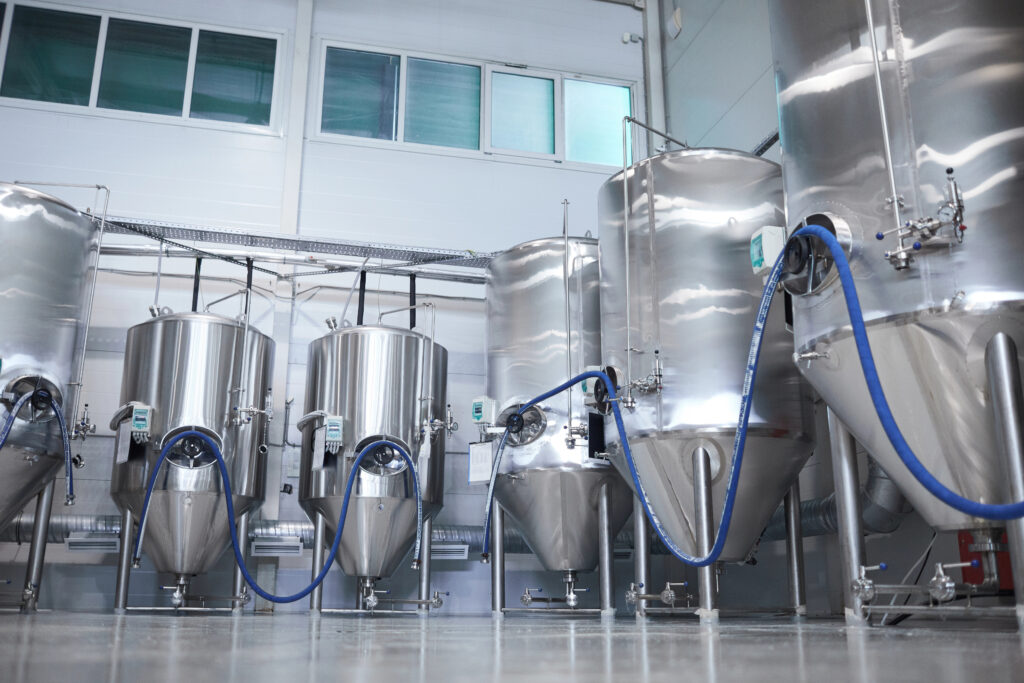
Smaller breweries and craft outfits cater to a selective audience. Yet they must also carefully control costs.
Our team has helped numerous small and large breweries attain their dream of becoming national brands. Therefore, the strategies we suggest may not seem to be the flashiest, but that’s the point: for long-term success you need sustainability, not showiness.
So we provide grounded, realistic recommendations based on your specific needs
Mass balance tracks every raw material that enters the system, including water, hops, yeast, and malt. It also quantifies a brewer’s output and effluents, like wastewater. Overall, mass balance calculations reveal how materials are utilized to affect yield expectations.
Energy balance also reveals resource inefficiencies. It tracks electrical and thermal energy use in beer brewing, though much of a brewery’s energy costs may go toward refrigeration and packaging. Overall, optimizing this balance can improve our clients’ energy efficiency by up to 30%.
Malting predates written history and gives beer its “soul,” supplying unique characteristics like the biscuit-like flavors that consumers crave in an amber-hued brew.
Malting involves three steps: steeping, germination, and kilning. This process can take up to a week, as it activates enzymes and releases starches from the grains, ultimately allowing natural flavor profiles to evolve.
Mashing mixes grains and water to create a porridge-like mash. This is the vital process that turns complex carbohydrate into simpler sugars that are fermented to yield alcohol. Formulating the correct mashing parameters, including temperature and time schedules, allows brewers to attain a lighter or more full-bodied class of beers.
Yeast selection is vital because yeast species have unique biological profiles. As a result, they exhibit diverse growth patterns and byproducts with specific flavors.
Brewers also control the mouthfeel, alcoholic content, and flavors of their beers by modifying fermentation temperature. Brewing science therefore involves a delicate balance that must control thermal fluctuations to within a few degrees.
Lagers are conditioned at near-freezing temperatures after brewing. This allows mature and imparts their characteristic crispness and clarity.
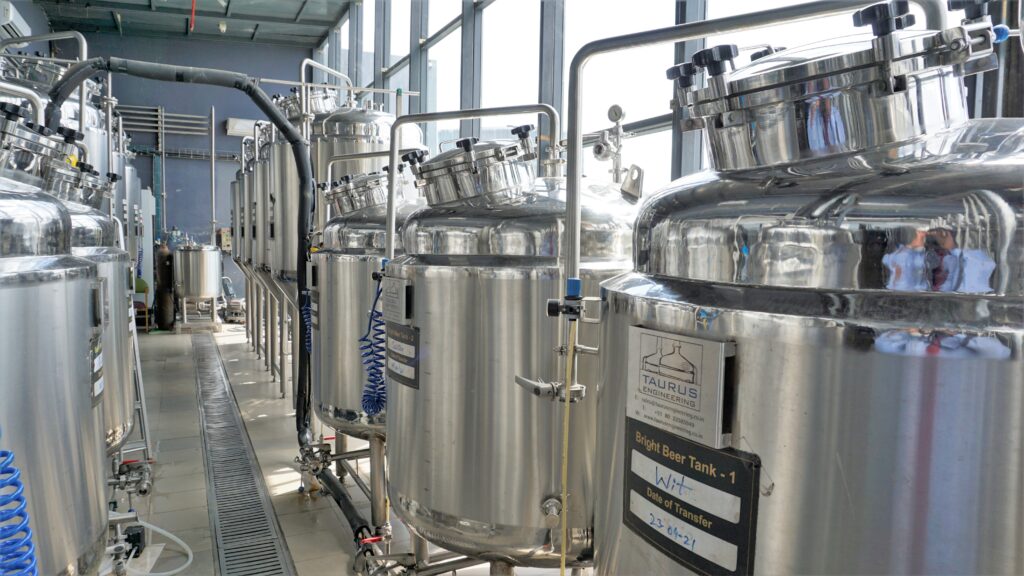
Cold conditioning also settles suspended particles like yeast and proteins, allowing easy removal through filtration.
Brewers set turbidity (haziness) targets according to the European Brewery Convention (EBC) that also classifies beers by color. Hazy beers may have a higher EBC despite having a lighter color.
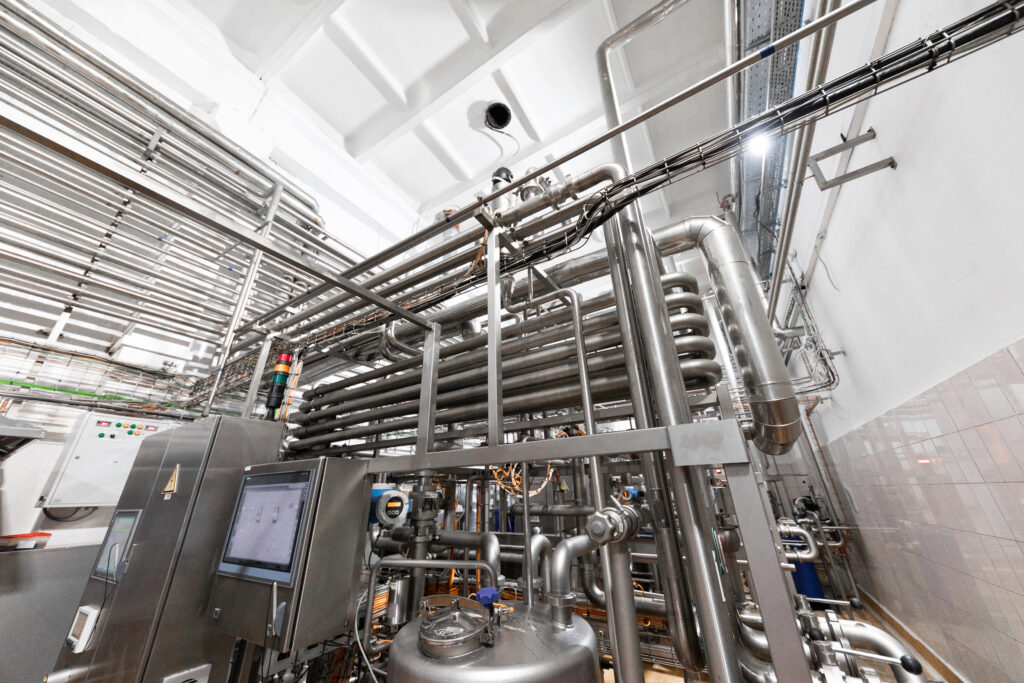
Brewhouse apparatus includes “hot side” equipment, including a mash tun, whirlpool, hot liquor tank, brew kettle and other vessels used to process wort.
Brewhouses also require “cold side” equipment where fermentation can happen. Valuable vessels include cylindrical-conical tanks (CCTs). CCTs allow more efficient formation without additional oxidation or cross-contamination risks.
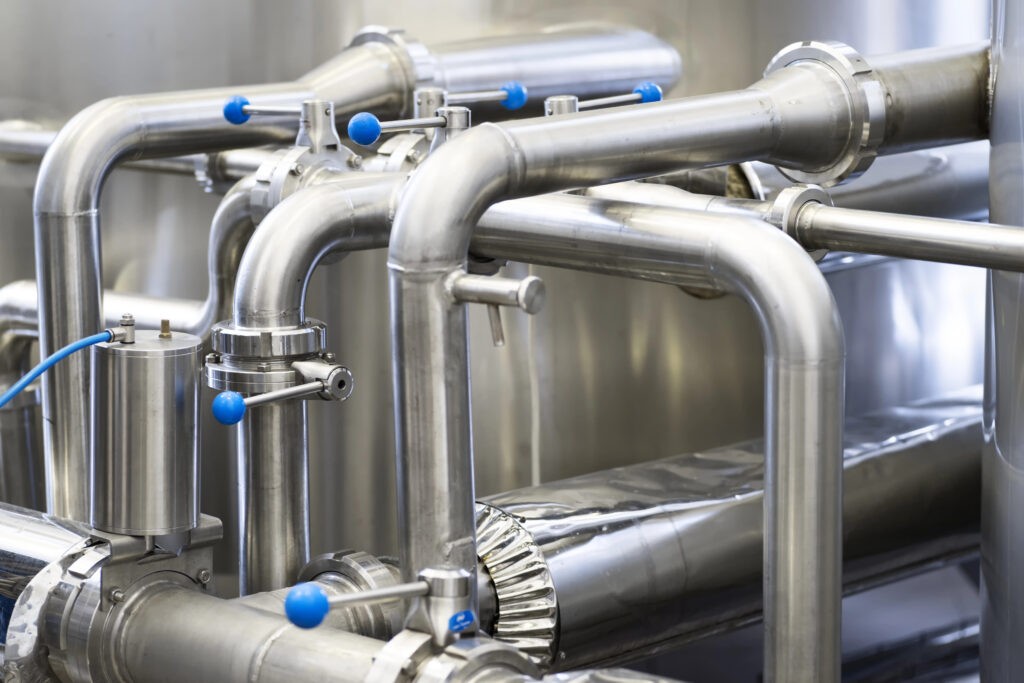
Additionally, brewers use glycol jackets to keep fermenters cool. As well as clean-in-place (CIP) systems like spray balls, which use pressurized water or an acidic wash to automatically sanitize and clean CCTs without disassembly.
Gravity is a measure of the wort. Hydrometers and other devices assess the sugar content that is attenuated into alcohol.
During brewing, pH levels must be around 5.2-5.5. However, a finished lager has a pH of around 4.0. Managing pH ensures mellow-tasting, shelf-stable beverages.
Small temperature fluctuations can be disastrous. Inconsistencies create unpalatable esters, or foul-flavored, hangover-inducing “fusel” beers.
Dead yeast are not useful. Yeast cell counts and vitality reveal viability, or the fraction of live yeast available for rapid fermentation.
Limiting oxygenation on the “cold side” of operations (post-fermentation) keeps beer tasting fresh, rather than like liquid cardboard.
Breweries must satisfy many regulations at the federal, state, and local levels. Including laws set by the U.S. Food and Drug Administration (FDA), the Food Safety Modernization Act (FSMA), and the Alcohol and Tobacco Tax and Trade Bureau (TTB).
Altogether, we provide guidelines so our brewing partners can breeze through key checkpoints involving licensing, zoning, health code, traceability, and tax concerns.
Explain your Engineering Challenges and We’ll have a Team Member Connect!
HACCP, SQF & regulatory-aligned from day one.
We modernize old factories or design from scratch.
Nationwide sanitary welding & commissioning support.